
San Vicente, Ilocos Sur Ran a Kakanin Innovation Competition. The Brief Was Simple: Preserve the Tradition, Win the Modern Market.
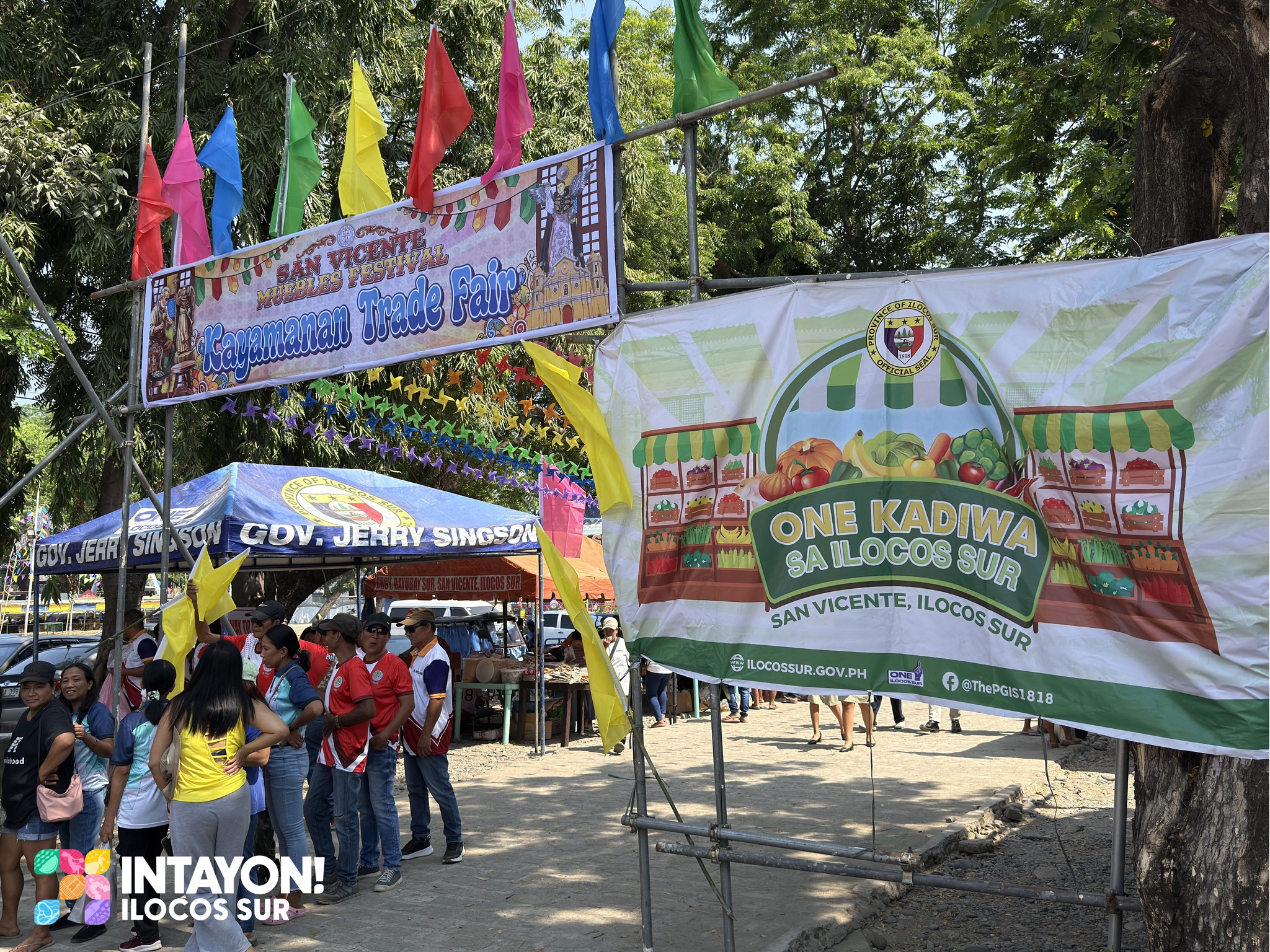
The Innovative Kakanin Competition at the Rambak ti Kankanen nga Ilocano on April 21, 2026, challenged participants to preserve traditional Ilocano rice delicacies while redesigning them for today's consumers, running alongside the Kayamanan Trade Fair and One Kadiwa inside the San Vicente Muebles Festival.
 Featured Partner
Inv8 Studio
Innovation Partner for Startups & Growing Businesses
On April 21, 2026, San Vicente, Ilocos Sur ran an Innovative Kakanin Competition at 8:30 AM as the centerpiece of the Rambak ti Kankanen nga Ilocano, part of the municipality's Muebles Festival activities. The competition asked a specific and commercially important question: how do you take Ilocano kakanin, dishes with roots stretching back centuries, and make them relevant, competitive, and sellable in today's food market without losing what makes them distinctly Ilocano?
That question is not sentimental. It is a product development brief. And San Vicente put it in front of its community.

What the Competition Was Designed to Do
The Innovative Kakanin Competition was organized in collaboration between the LGU San Vicente and third-year DWCV students fulfilling their MICE Management and Events Management course requirements under facilitator Mr. Francis Jerome R. Paz [web:source]. That academic partnership matters: the students designing and running the event were learning event production through live execution, while the competition itself served a genuine community and economic development purpose.
The competition's framing, preservation plus modernization, reflects a tension that every traditional food entrepreneur in Northern Luzon eventually confronts. Ilocano kakanin includes tupig, puto, bibingka, sinambong or patupat, and dozens of municipality-specific variants made from glutinous rice, coconut milk, local sugars, and indigenous ingredients. These products have built-in cultural credibility and deep consumer nostalgia. What they often lack is shelf life, packaging that competes in modern retail, pricing structures that reward the maker fairly, and flavor profiles that attract Gen Z and millennial buyers who know what they want but may not know they want kakanin.
The Innovative Kakanin Competition directly addresses that gap. Participants were challenged to take traditional Ilocano recipes and find ways to modernize them, whether through new flavor combinations, updated presentation, improved packaging concepts, or production techniques that make the product more consistently replicable at scale.

The Bigger Event Context
The competition ran inside a three-component activity at the San Vicente Municipal Hall. The Kayamanan Trade Fair and One Kadiwa provided a commercial floor for local MSMEs and agricultural producers, while the Rambak ti Kankanen nga Ilocano anchored the cultural and food innovation dimension. OIC-Tourism Officer Ms. Michelle A. Adolfo and PTDPO staff attended the two-day exhibit, signaling provincial tourism office investment in the activity as more than a local festival footnote.
The One Kadiwa component, part of the national Kadiwa ng Pangulo programme linking farmers directly to consumers without intermediary markup, added a food security and agricultural supply chain layer to what might otherwise be read as a purely cultural celebration. When kakanin producers and fresh agricultural suppliers share the same event space, the conversation about product development and market access becomes more integrated, which is exactly the environment where food entrepreneurs make real decisions.
What This Means for Northern Luzon
Ilocano kakanin is an underutilized commercial asset across Northern Luzon. Calasiao, Pangasinan is already nationally recognized for puto production at industrial scale. Ilocos Sur and Ilocos Norte have equally deep kakanin traditions that have not yet achieved the same market penetration outside the region. Competitions like San Vicente's Innovative Kakanin event are the grassroots R&D process that generates the new product variations worth investing in.
For food entrepreneurs across Ilocos Region, Cordillera, and Cagayan Valley working with traditional regional delicacies, the San Vicente model is worth studying: a competition format that challenges innovation rather than just celebrating tradition, embedded inside a trade fair that provides immediate market feedback. DTI Region 1 and DOST-PCARRD's food innovation programs have the technical capacity to support the next stage of product development for competition participants who want to scale. The innovation starts at the community level. The infrastructure to take it further already exists.
Original Source:
Market Context:
The Philippine food and beverage industry is projected to grow at a CAGR of 6.2% through 2028, with traditional and heritage food products among the fastest-growing segments as domestic premiumization and cultural pride drive consumer spending. Kakanin has been a staple in Filipino cuisine since the 9th century, with modern innovations including ube and matcha-infused variants, vacuum-sealed packaging for export, and fusion box sets already generating market traction among diaspora communities and urban millennial consumers. Research into modernized kakanin, including layered ube biko, stuffed palitaw, and fusion dessert collections, identifies texture innovation and Gen Z-targeted flavor profiles as the highest-leverage variables for market expansion. The Calasiao puto industry in Pangasinan demonstrates that industrial-scale kakanin production is achievable and commercially sustainable, providing a regional benchmark for what Ilocano kakanin brands could target with the right product development investment.
Are you a founder, innovator, or community builder in Northern Luzon?
We're always looking for compelling stories from the region's ecosystem. Whether you're launching a startup, running a program, or doing something interesting — we'd love to feature you.