News
Eighteen Cagayan Agri and Planning Officers Visited the SARAI Provincial Hub to Learn How to Run Municipal Agriculture on Satellite Data
The field study at the Cagayan Innovation Hub and SARAI Provincial Hub is part of an ongoing SARAI localization workshop, aimed at embedding climate-smart, data-driven decision-making directly into municipal-level agricultural planning across the province.

Amianan Desk
Amianan Innovation Ventures
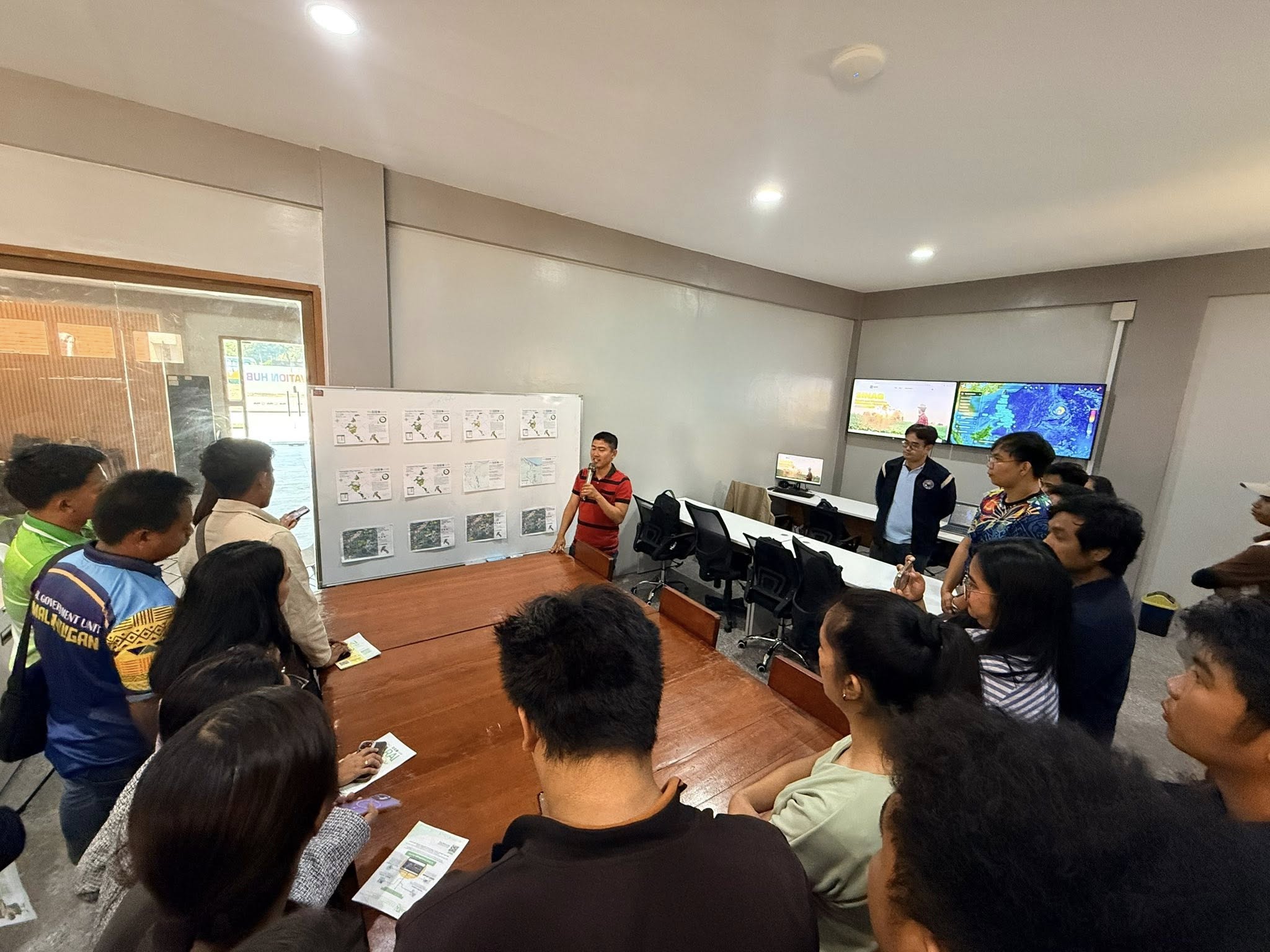
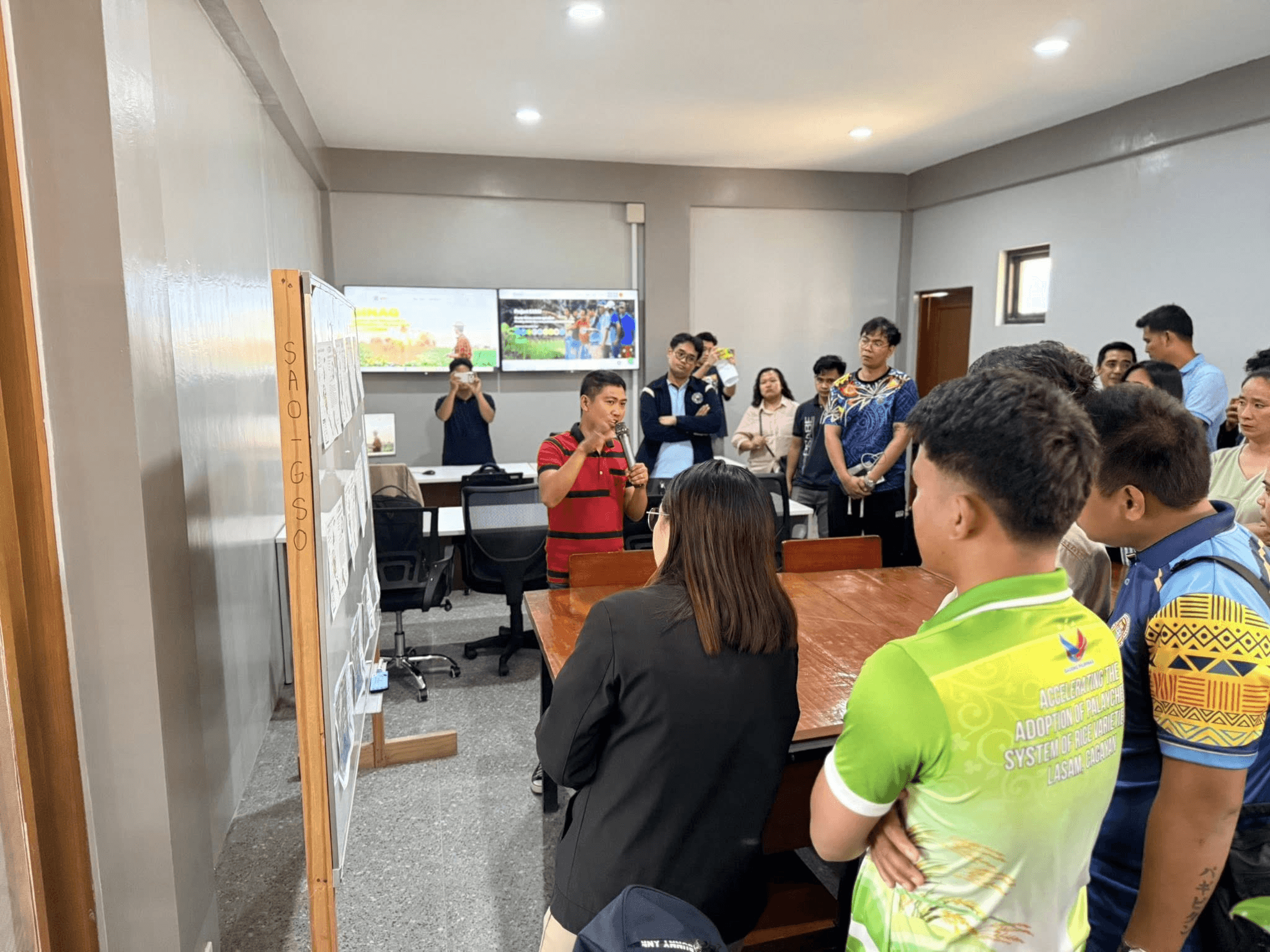
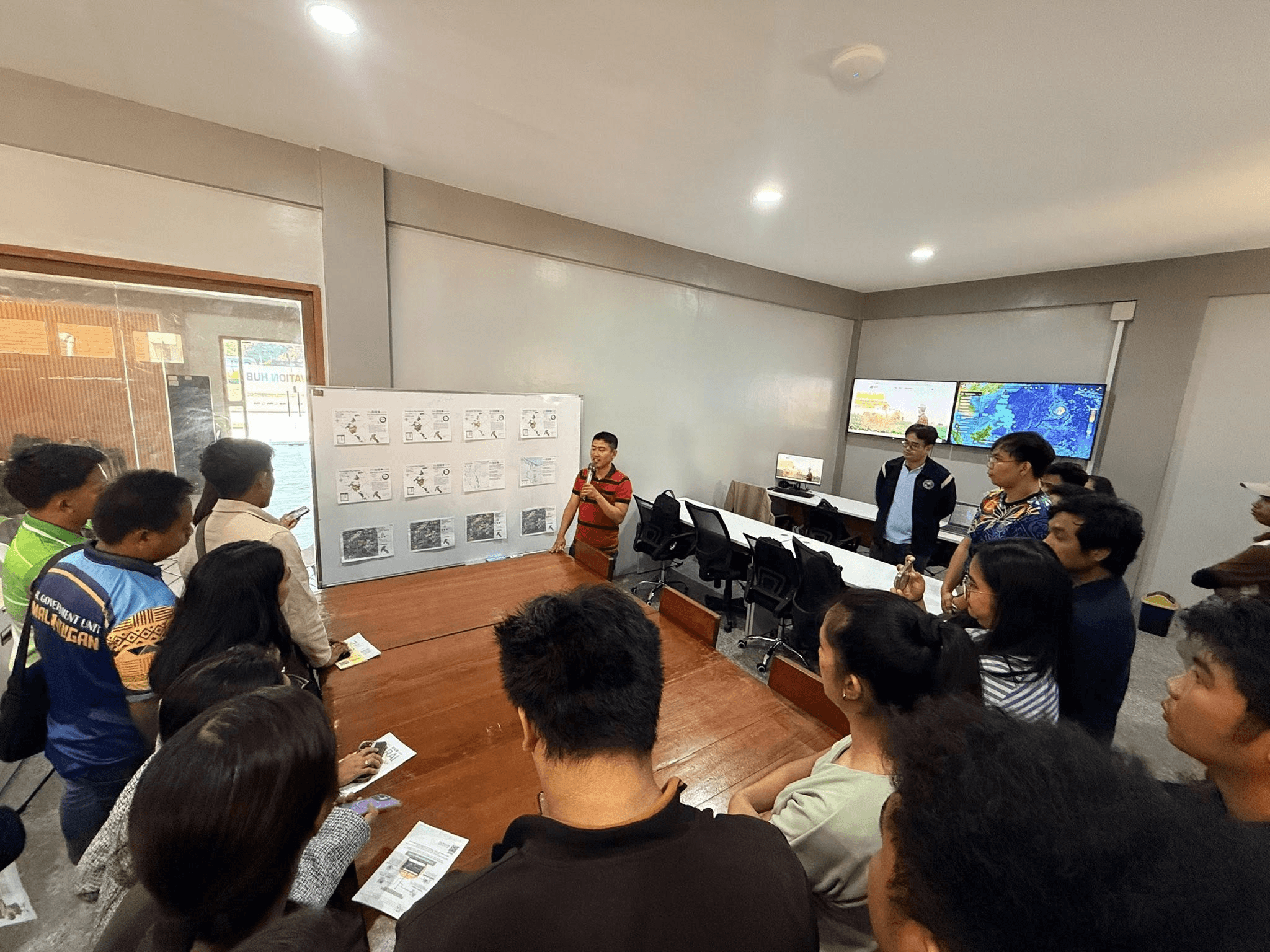
Eighteen Municipal Agriculturists and Municipal Planning and Development Officers from Cagayan province visited the Cagayan Innovation Hub and SARAI Provincial Hub as part of an ongoing SARAI localization workshop, organized by the One Cagayan Vision Team and coordinated by Governance Innovation team member Marissa Gonzales. The visit is the latest step in a deliberate effort to move SARAI tools, satellite monitoring, weather forecasting, and crop advisories, out of regional offices and into the hands of municipal planners who actually make on-the-ground agricultural decisions.
Cagayan Valley is the second-largest rice-producing region in the Philippines, contributing 724,622 metric tons from Cagayan province alone and over 2.08 million metric tons regionally, about 12.85% of total national rice output. When municipal planners in this region make better decisions, the impact on national food supply is not marginal.
What SARAI Actually Does
Project SARAI, Smarter Approaches to Reinvigorate Agriculture as an Industry in the Philippines, is a DOST-funded action-research programme that uses satellite data, weather modeling, crop monitoring, and site-specific advisories to support agricultural planning and decision-making. Its core tool, the Community-Level SARAI-Enhanced Agricultural Monitoring System (CL-SEAMS), uses MODIS, Sentinel-1, and Sentinel-2 satellite imagery to track planted crop areas, growth stages, and condition changes in near real time. It also functions as an early warning system for typhoons, drought, and other climate events affecting farm production.
The SARAI Provincial Hub in Cagayan is one of DOST's growing network of regional nodes. It is designed to bring this system closer to the province rather than keeping the data locked in national platforms that local planners cannot easily access or apply.
One Cagayan Vision Team Chairman Atty. Jojo Caronan, Jr. presented at the session, focusing on why accurate data, science, and technology are not optional in modern agricultural governance. That framing matters. The audience was not farmers. It was the planners and agriculturists who brief barangay officials, write municipal development plans, and request budgets. Equipping that layer of government changes how agricultural intelligence moves from satellite to field.
The Cagayan Innovation Hub Connection
The visit also included a tour of the Cagayan Innovation Hub, which DOST launched together with the SARAI Provincial Hub and the SciTech Philippines Awards on March 16, 2026. The hub houses the Cagayan Decision Intelligence Center, a facility equipped with real-time analytics and integrated data systems built for provincial decision-makers.
The Innovation Hub and the SARAI Hub operate under the ONE Cagayan D.R.I.V.E.S. framework, Development of Rural Industries through Value Chain Enhancement and Sustainability, a unified provincial vision under Governor Egay's EGAY Governance Platform, specifically its Agricultural Support and Employment, Environment, and Energy pillars.
That connection is not incidental. The localization workshop is part of the same architecture: provincial government directing technology adoption downward into the municipal level, systematically, not through one-off training events.
What This Means
Cagayan is building something replicable. DOST has already described the province as a model Smart Province, intended to serve as a template for other Philippine provinces integrating science, technology, and innovation into local governance. The SARAI localization workshop does not just train 18 officials. It tests whether satellite-driven agricultural planning can be embedded in municipal government as routine practice, not just demonstrated in a regional hub.
For other Northern Luzon provinces watching this, particularly those in Cagayan Valley and Ilocos Region where agriculture drives the economy, the question is not whether this model is worth replicating. It is how fast each province can build the local capacity to run it. Municipal agriculturists in Isabela, Nueva Vizcaya, and Quirino sit in the same regional ecosystem. The tools are already deployed. The gap is in the localization.
Inquiries about SARAI tools and localization support can be directed to DOST Region 2 or the SARAI Provincial Hub in Cagayan.
Original Source:
This article is based on an official post by the One Cagayan Vision Team and the Office of Governor Egay, published April 2026.