News
DICT Isabela and AMA Computer College Brought Senior High School Students Into Their First Hands-On IoT and Microcontroller Training
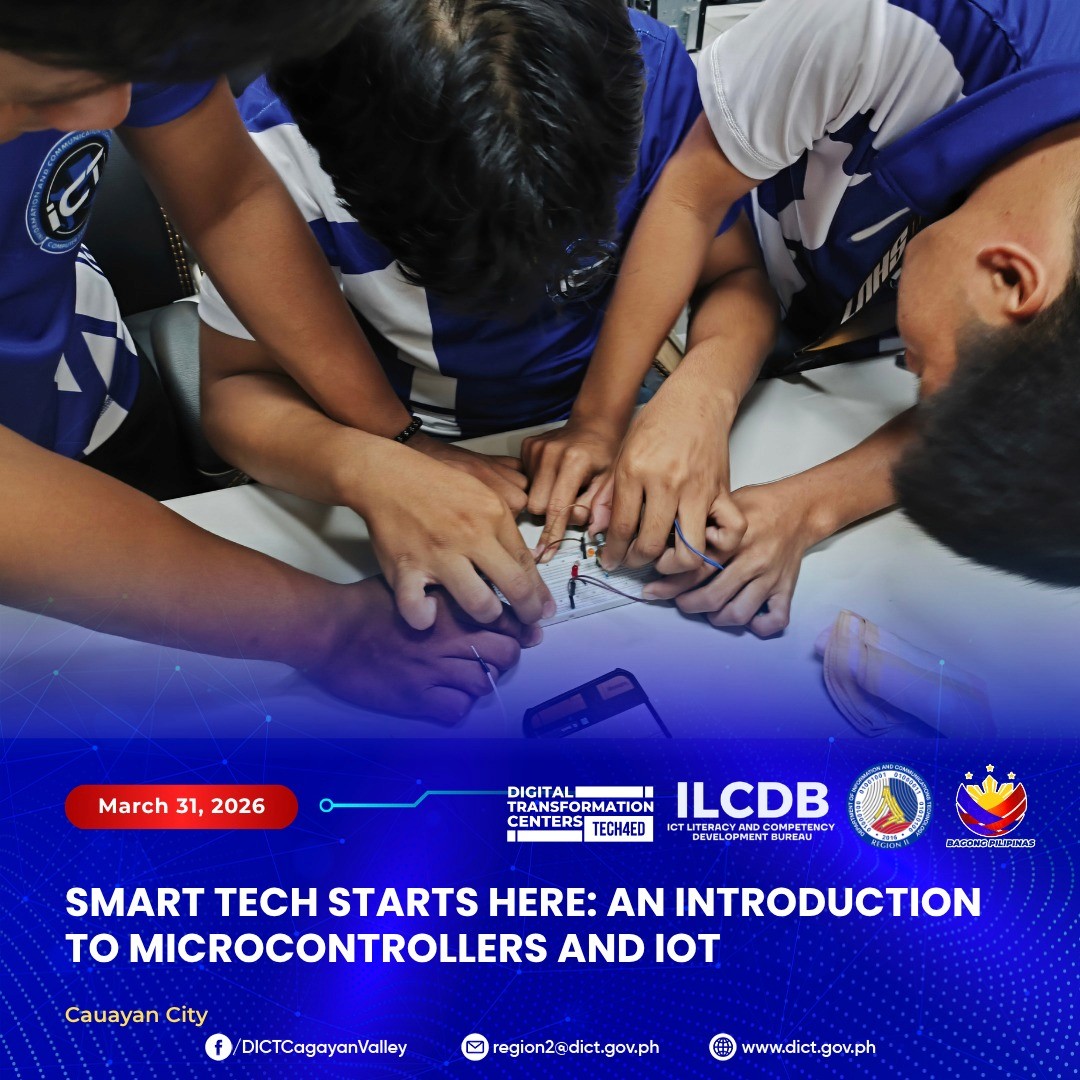
The "Smart Tech Starts Here" session, run through DICT Isabela's Tech4ED Digital Transformation Center in Santiago City, gave students direct exposure to embedded systems and connected devices at the level where careers in hardware and IoT actually begin.

Amianan Desk
Amianan Innovation Ventures
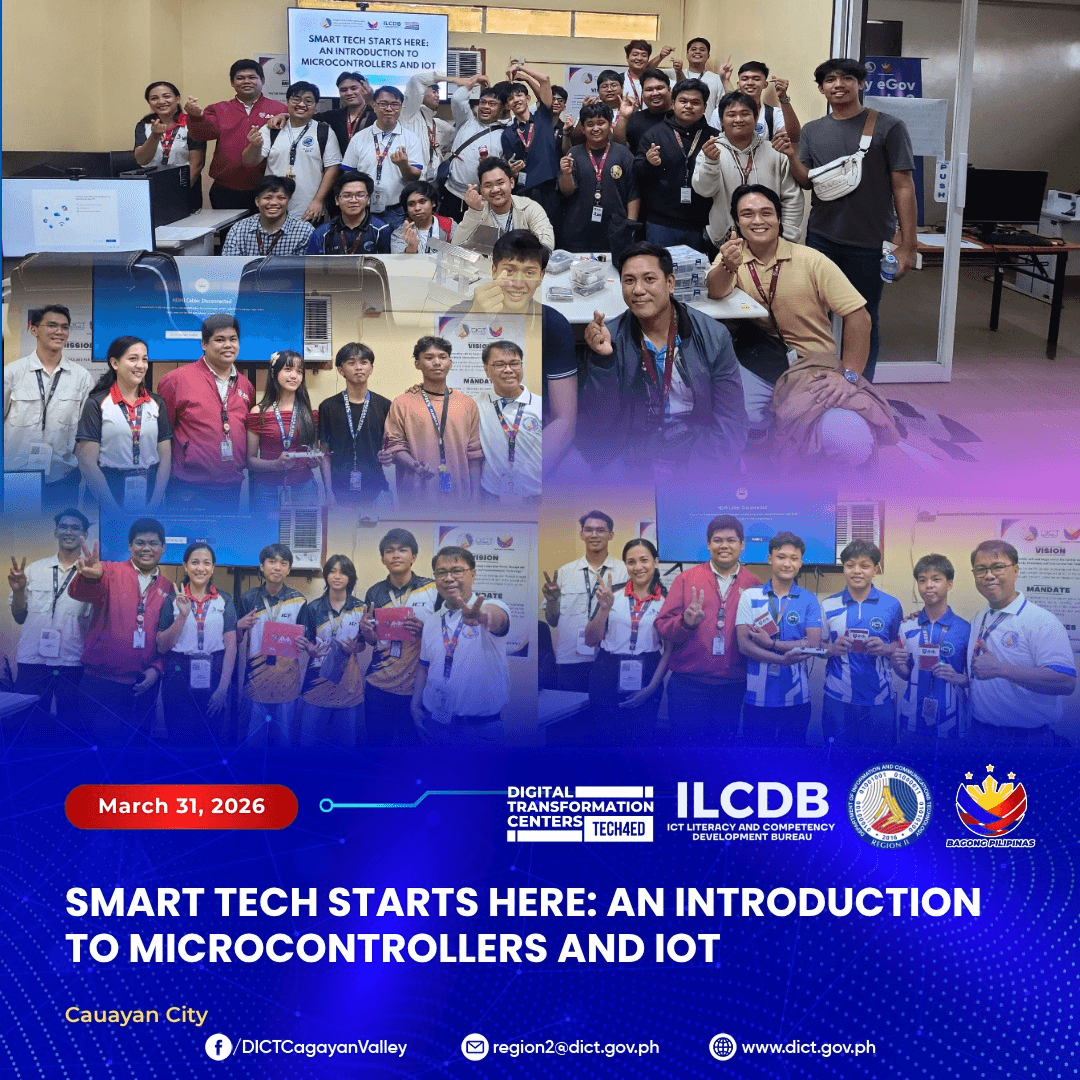
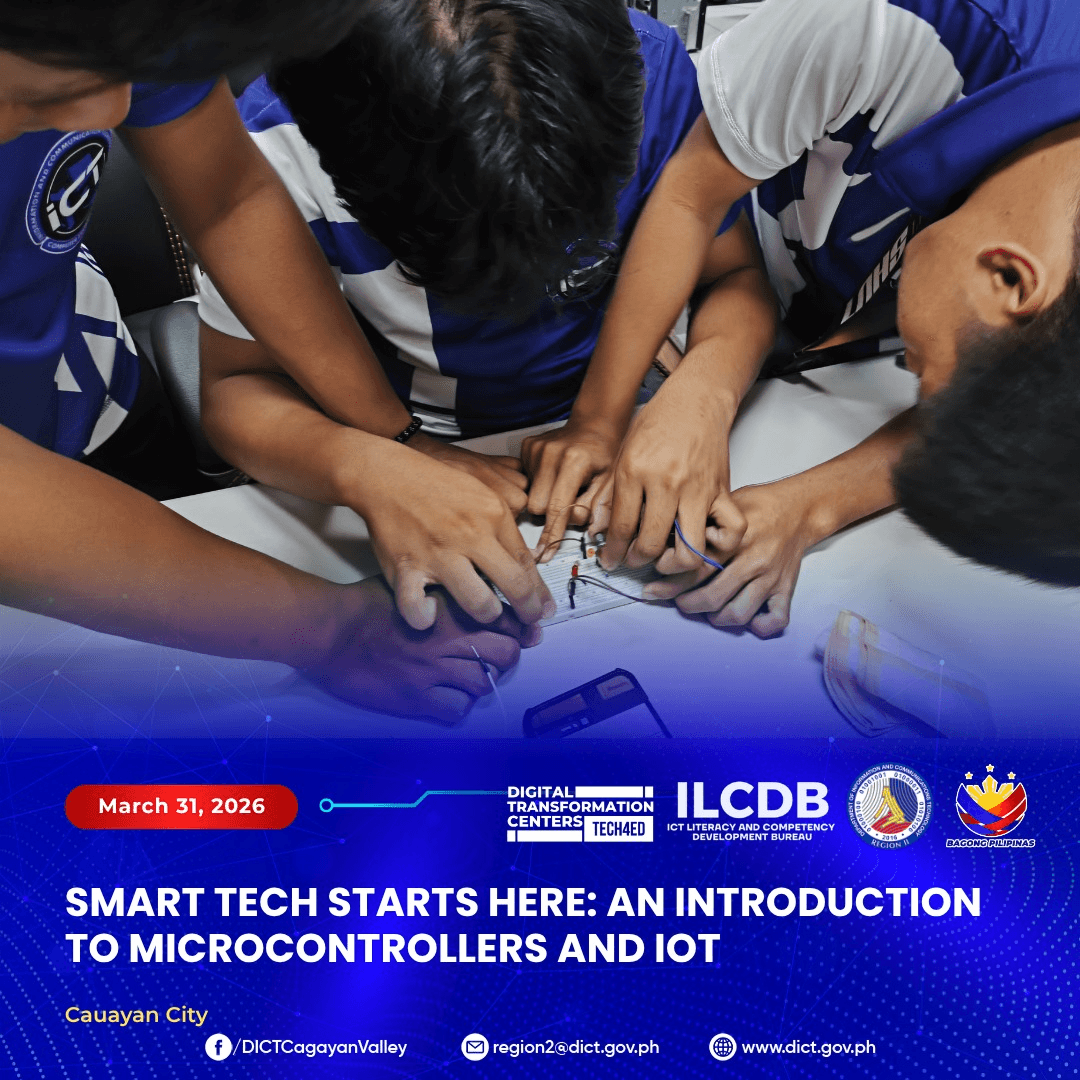
Senior high school students in Isabela recently completed a hands-on introduction to microcontrollers and Internet of Things (IoT) technology through a training session organized by the DICT Isabela Provincial Office and its Tech4ED Digital Transformation Center, in partnership with AMA Computer College Santiago City. The session, titled "Smart Tech Starts Here: An Introduction to Microcontrollers and IoT," was led by resource speaker Mr. Karl John Nolasco, who guided students through programming embedded systems, connecting devices, and applying IoT concepts to real-world scenarios.
The source post lists no specific date for the session. What it does confirm is the partnership structure and the content covered, and both matter for understanding what this training represents for students in Cagayan Valley.
What Students Actually Learned
The session covered three concrete areas: embedded systems, connected devices through IoT, and real-world technology applications. In practice, that means students learned how microcontrollers, small programmable chips at the heart of most smart devices, receive inputs, process data, and trigger outputs. They learned how devices communicate with each other and with the internet. And they applied those concepts to scenarios relevant to their own environment.
This is not introductory computer literacy. Microcontrollers and IoT are the technical foundation of smart agriculture, automated manufacturing, environmental monitoring, and smart city infrastructure. A student who understands how to program an Arduino or ESP32 board is not just learning a skill. They are entering the layer of technology where Northern Luzon's most pressing problems, from crop monitoring to water system automation, are actually solved.
Why the DTC Partnership With AMA Matters
DICT's Tech4ED Digital Transformation Centers are the most distributed technology access infrastructure in provincial Philippines. Isabela's DTC, operating under DICT Region 2, has already been recognized for its reach across multiple sectors, including government staff, persons with disabilities, and OFWs. Pairing that infrastructure with AMA Computer College Santiago City's academic program brings curriculum depth and faculty expertise into a government facility that has the community reach but not always the specialized instructors.
That kind of pairing is how you run quality technical training outside a university campus. One partner brings the space and the community network. The other brings the subject matter expertise. The students get both.
What This Means
The Philippines cellular IoT market is projected to grow from USD 12.8 billion in 2025 to USD 52.9 billion by 2032, a 21.3% compound annual growth rate. The demand for engineers and technicians who understand embedded systems and connected hardware is not a distant concern. It is already here. A senior high school student in Santiago City, Isabela who built something with a microcontroller this month is ahead of most of their peers nationally.
For DICT Region 2 and its Tech4ED and DTC network across Cagayan Valley, replicating this model in Quirino, Nueva Vizcaya, and Batanes is the obvious next step. The partnership template is already tested. The only variable is finding the right local academic partner in each province and scheduling the sessions before students graduate without ever touching hardware.
Students and educators interested in the next round of DTC-based technology training in Isabela can follow DICT Isabela Provincial Office for updates or visit the Tech4ED Digital Transformation Center in Santiago City directly.
Original Source:
This article is based on an official social media post by the DICT Isabela Provincial Office and DICT Region 2, published April 6, 2026.