News
BFAR-CAR Brought Cordillera Fisherfolk Leaders to a Working Hatchery and a Crayfish Farm to Show What Aquaculture Innovation Looks Like in Practice
A two-day benchmarking and consultation workshop on April 7–8, 2026, put fisherfolk leaders from across Cordillera directly inside the MITH-i hatchery system and a regulated crayfish facility, pairing hands-on learning with policy clarity and a leadership election.

Amianan Desk
Amianan Innovation Ventures
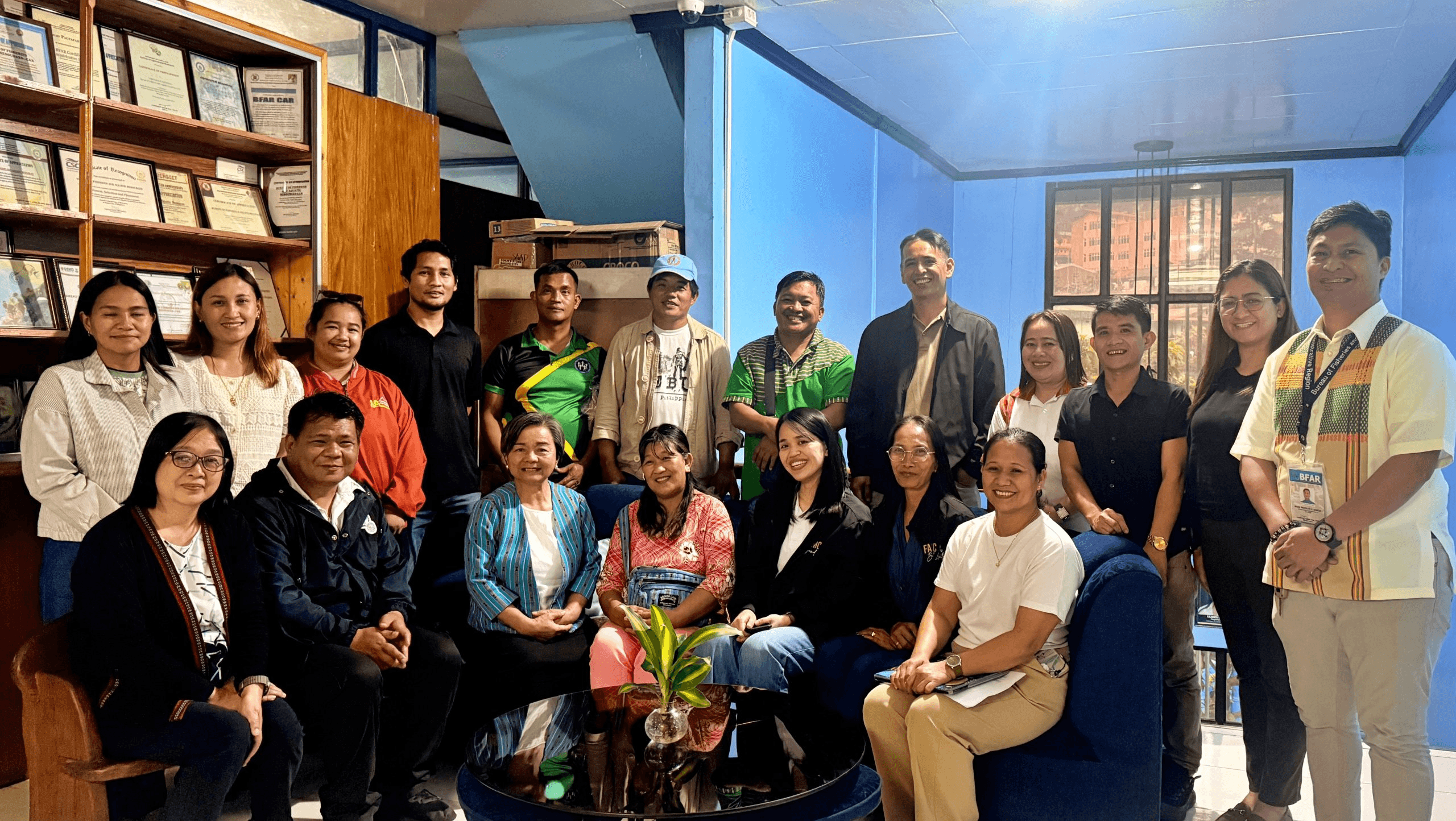
On April 7 and 8, 2026, BFAR-CAR took fisherfolk leaders out of a conference room and into two working aquaculture facilities, because the fastest way to transfer technology is to show it running. Organized by the Bureau of Fisheries and Aquatic Resources Cordillera Administrative Region through its Regional Fisheries Training and Fisherfolk Coordination Division, the two-day activity combined field benchmarking at the La Trinidad Regional Fish Farm in Benguet and a crayfish production facility in San Vicente, Baguio City, with a consultation workshop and leadership election on day two.
The result: fisherfolk leaders left with direct exposure to two of the most relevant aquaculture innovations for Cordillera's inland freshwater sector, and with a new Regional Fisherfolk Director in Ms. Jolenda F. Lomas-e.
The MITH System: What 390,150 Fingerlings a Month Looks Like
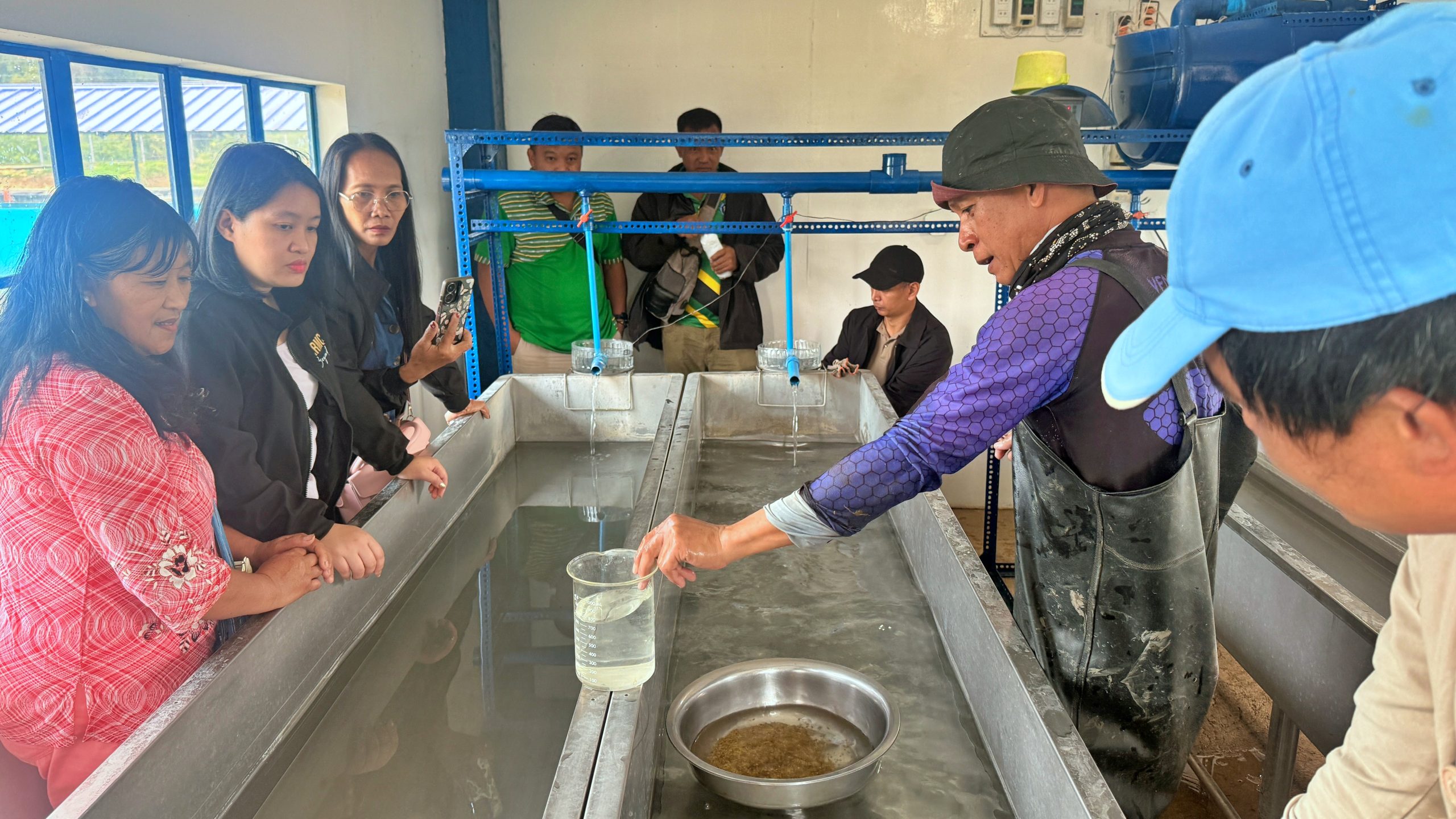
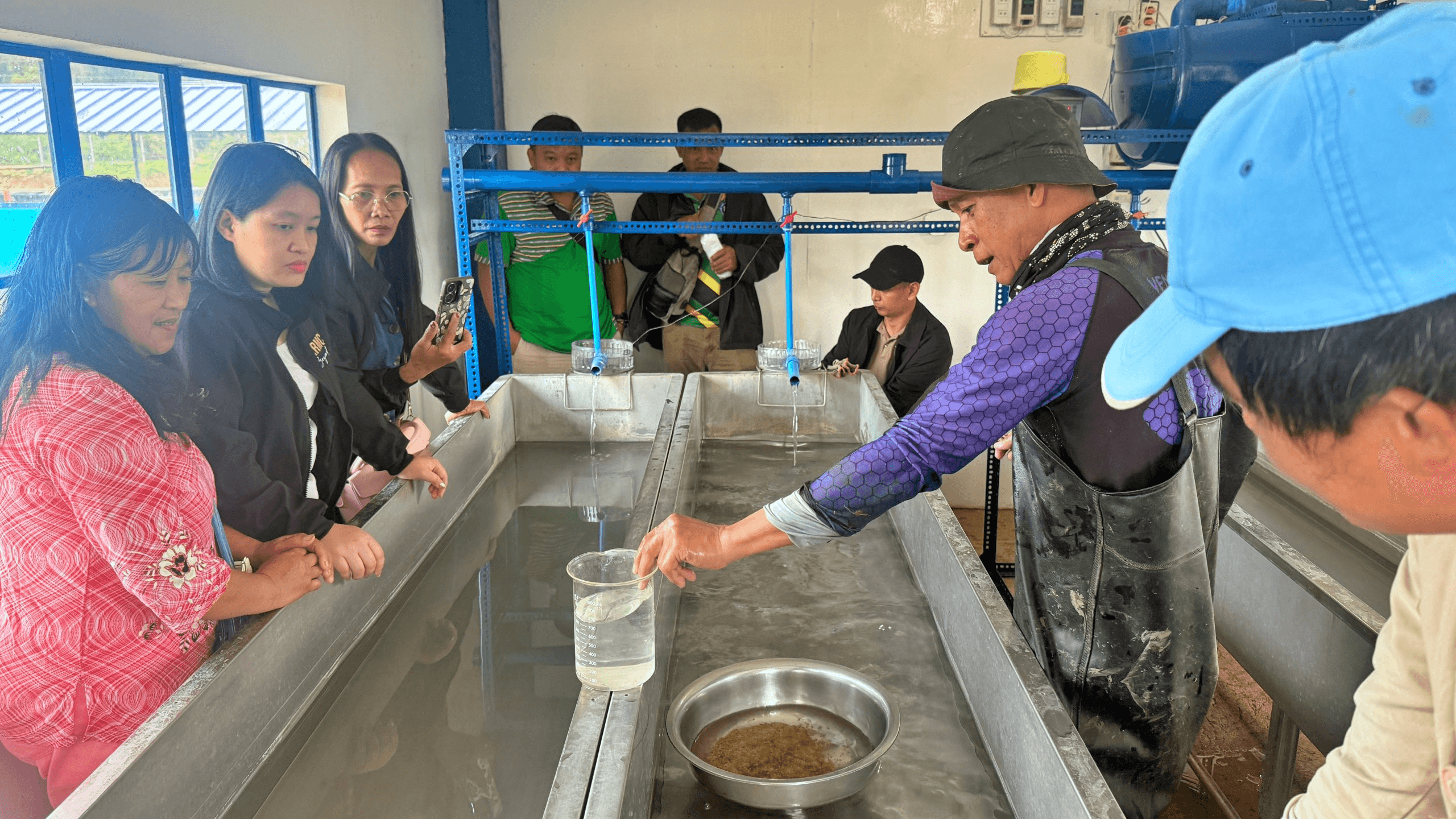
The centerpiece of day one was the Modified Intensive Tilapia Hatchery-improved: Upland Production Initiatives for Sustainable Development in Aquaculture (MITH-i: UP ISDA), the artificial incubation system operating at the La Trinidad Regional Fish Farm.
RFTFCD Chief Marx Perfecto C. Garcia walked fisherfolk leaders through the system directly. Four artificial incubation units, each loaded with 500 milliliters of eggs, produce approximately 390,150 fingerlings per month, generating an estimated gross monthly income of PHP 97,537.50. The system achieves a 95% hatching rate and 80% fry survival under optimal conditions, numbers that conventional hatchery methods cannot match.
The MITH technology matters specifically for Cordillera because it was designed for upland production environments. Cold freshwater systems in Benguet, Ifugao, and Mountain Province meet the biological requirements of Nile Tilapia better than lowland conditions in many cases. The barrier to adoption has not been environmental suitability. It has been access to the system, the training, and the confidence to run it. The benchmarking visit addressed all three.
Crayfish Farming: High Value, New Rules
The group then moved to a crayfish production facility in San Vicente, Baguio City, operated by Mr. Michael Novicio, one of the first regulated crayfish operators in the region. Australian Redclaw Crayfish (Cherax quadricarinatus) commands a premium market price and has been identified by DA-BFAR as a priority diversification species for inland aquaculture alongside African catfish.
The regulatory context is new and critical. BFAR Administrative Circular No. 001, series of 2025, the Philippines' first national framework for crayfish culture, took effect in November 2025. Redclaw is classified as high-risk invasive if introduced into natural water bodies, so all culture must occur in controlled, enclosed environments with BFAR certification. FPSSD Chief Dr. Michelle A. Peralta confirmed on-site that existing operators have three years from November 2025 to achieve full compliance, and may continue operations during that period provided they have an active BFAR certification application and a committed compliance plan.
For fisherfolk leaders in Cordillera who are considering crayfish farming as a livelihood option, the message is direct: the opportunity is real, the market is growing, and the regulatory pathway is now clear. The visit made that pathway visible in a way that no policy memo could replicate.
What This Means for Northern Luzon
Cordillera's aquaculture sector is built on inland freshwater systems, not coastal fishing. That distinction shapes everything: the species that thrive here, the technology that works at altitude, and the innovations worth replicating at the municipal and barangay level. BFAR-CAR's decision to anchor its fisherfolk leaders' meeting in field-based benchmarking rather than lecture-based training reflects a more sophisticated understanding of how technology adoption actually happens. Farmers and fisherfolk change practices when they see those practices working in an environment they recognize as their own.
The election of Ms. Jolenda F. Lomas-e as Regional Fisherfolk Director completes the picture. Innovation without representative leadership at the community level moves slowly. Cordillera's fisheries sector now has both.
For aquaculture operators and fisherfolk across Benguet, Ifugao, Mountain Province, Kalinga, Abra, and Apayao looking to explore the MITH system or crayfish production, BFAR-CAR is the starting point. Visit bfarcar.da.gov.ph for program inquiries.