News
Zimbabwe Sent a Delegation to Study Ilocos Tobacco Farming — and the Philippines' Farmer Support Model Is What They Came For
An eight-member Zimbabwean delegation spent eight days benchmarking the Philippine tobacco value chain in Ilocos from March 7 to 15, focusing on production systems, government support structures, and germplasm research that could strengthen their own industry.

Amianan Desk
Amianan Innovation Ventures
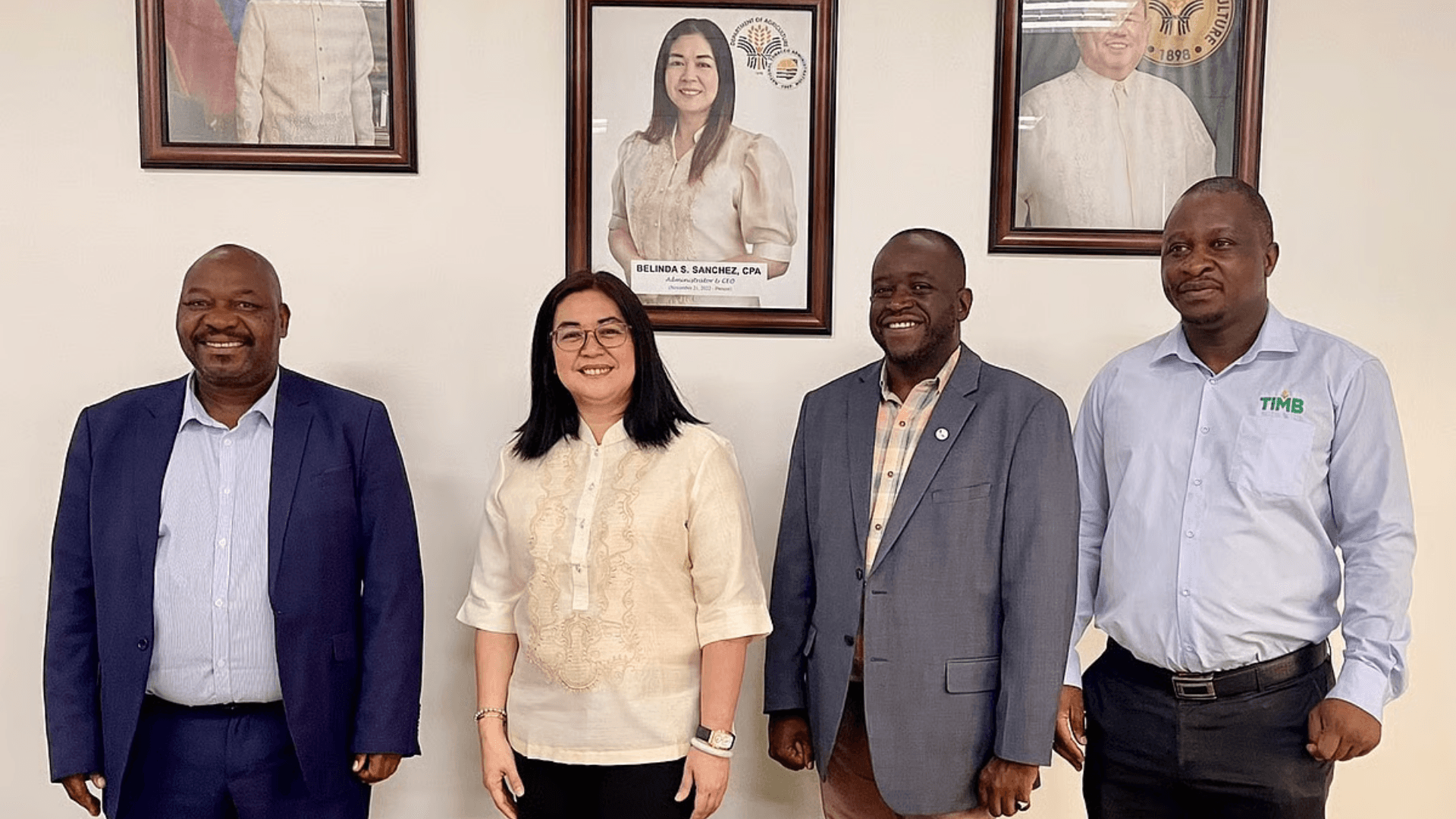
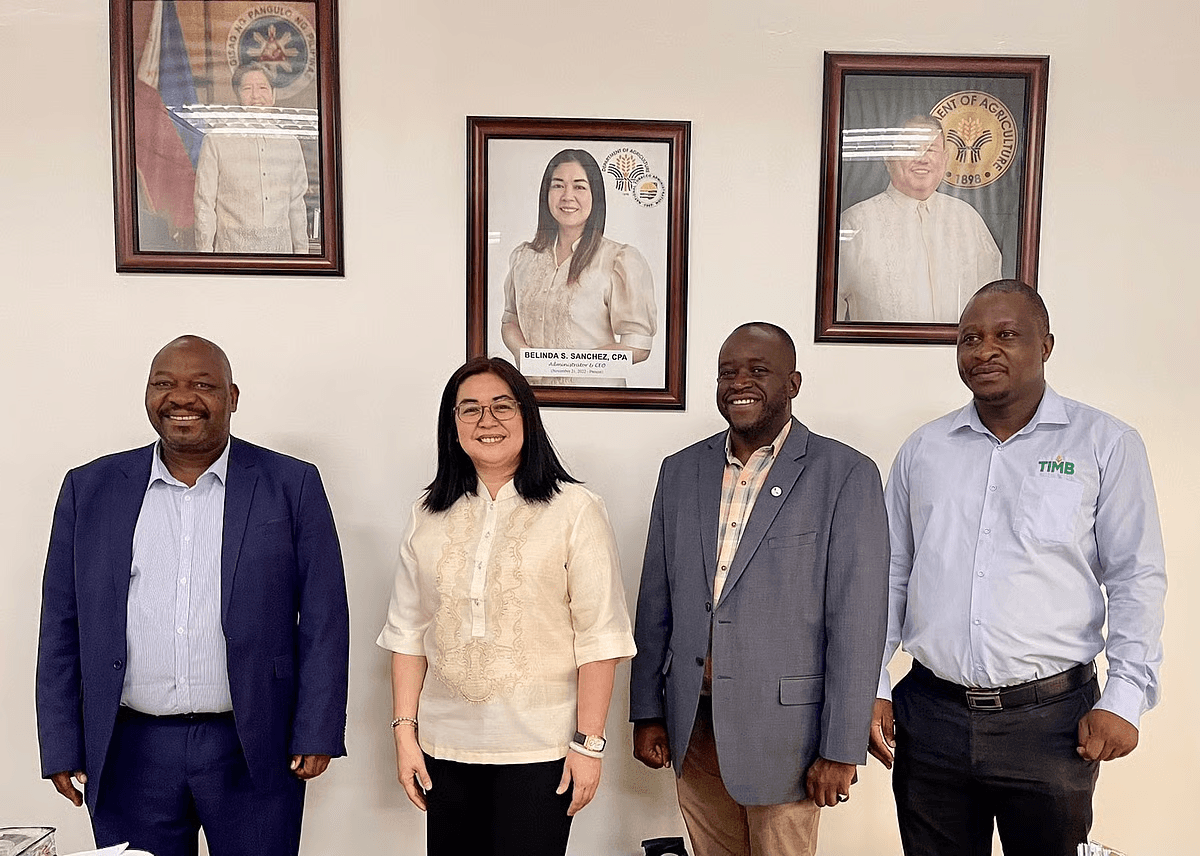
An eight-member delegation from Zimbabwe visited tobacco farms across the Ilocos region from March 7 to 15, 2026, conducting a structured benchmarking activity led by Willard L. Manungo. The group was received by National Tobacco Administration Administrator Belinda S. Sanchez at the agency's central office before heading to the field. Their agenda covered the full Philippine tobacco value chain — production, processing, laboratory assessment, and government support systems — with farm visits in Sta. Maria, Burgos, Narvacan, and Nagbukel in Ilocos Sur.
Zimbabwe is one of the world's top tobacco producers. When a country at that level sends officials to study how another country manages its tobacco sector, the visit is worth paying attention to.
What the Delegation Studied
The benchmarking covered several distinct areas. At NTA's central office, the delegation was briefed on industry conditions in both countries and toured laboratory facilities used to assess nicotine content in tobacco products. In the field, they observed flue-cured Virginia tobacco alongside Native and Burley varieties — three distinct tobacco types that reflect the range of production systems the Ilocos region supports. The group also visited a tobacco buying station in Candon City and toured a processing facility, giving them a complete view of the value chain from farm to market.
NTA Deputy Administrator Nestor C. Casela noted that the delegation expressed particular interest in germplasm research — the science of developing and improving local tobacco plant varieties. That specific interest signals that Zimbabwe isn't just studying how the Philippines grows tobacco. They're studying how the Philippines develops the genetic foundation of its crop over time, which is a longer-term and more technically sophisticated form of agricultural capacity building.
The delegation also met with representatives from the Department of Agriculture and the Department of Trade and Industry to explore broader areas of cooperation beyond the NTA's mandate.
Why Ilocos, and What Makes the Philippine Model Worth Studying
The Philippines' tobacco sector is notable not just for its production volume but for its policy architecture. The tobacco excise tax revenue sharing system — which routes a portion of tobacco taxes back to producing provinces like Ilocos Norte and Ilocos Sur — is one of the more distinctive features of the country's approach, designed to ensure that farming communities share in the revenues generated by their crops. That model, where government support systems are explicitly tied to farmer benefit rather than just industry growth, is the kind of policy design that other tobacco-producing nations are watching.
For Ilocos, the visit is an external validation of what the region's farmers and institutions have built over decades. The farms in Sta. Maria, Burgos, Narvacan, Nagbukel, and Candon didn't end up on a Zimbabwean delegation's itinerary by accident. They're there because the Ilocos tobacco sector represents a mature, well-supported agricultural system that has figured out how to move product from farm to market with government infrastructure behind it.
What This Means for Northern Luzon
Agricultural benchmarking visits from foreign governments don't generate headlines the way startup launches or infrastructure inaugurations do — but they carry a different kind of signal. When Zimbabwe, a country that produces tobacco at global scale, sends officials to study Ilocos farming practices, it confirms that the region's agricultural systems have reached a level of sophistication worth exporting as knowledge. For Northern Luzon's broader agri-innovation community, that recognition is a reminder that the region's competitive advantage isn't only in technology or startups — it's in decades of accumulated farming knowledge, processing infrastructure, and policy frameworks that the rest of the world is only now beginning to study seriously.
Researchers, agribusiness enterprises, and institutions in Northern Luzon interested in tobacco value chain development or germplasm research can engage with the National Tobacco Administration through its regional offices in Ilocos. For provinces and agricultural agencies looking to build similar international benchmarking relationships, the NTA's engagement with the Zimbabwean delegation is a useful model for how knowledge exchange at the institutional level can open doors to longer-term research and trade cooperation.
Read more at: https://tribune.net.ph/2026/03/17/zimbabwe-studies-philippine-tobacco-model-in-ilocos