News
Cagayan Valley
DOST Launches Two Innovation Facilities and a New Awards Program in Cagayan — All in One Day
he Cagayan Innovation Hub, SARAI Provincial Hub, and SciTech Philippines Awards launched together on March 16, positioning Cagayan as Northern Luzon's most ambitious test case for data-driven, climate-resilient agriculture and MSME development.

Amianan Desk
Amianan Innovation Ventures
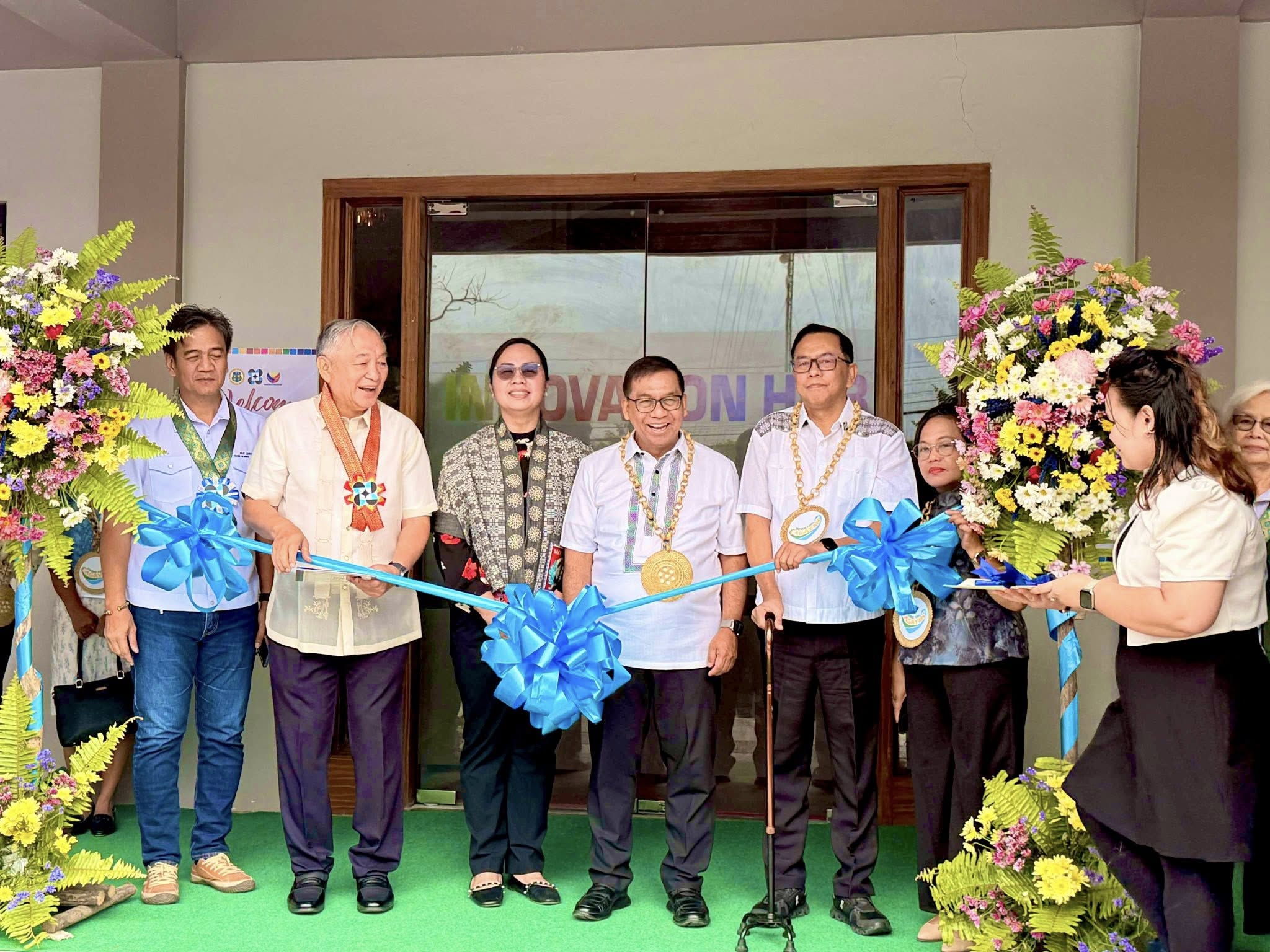
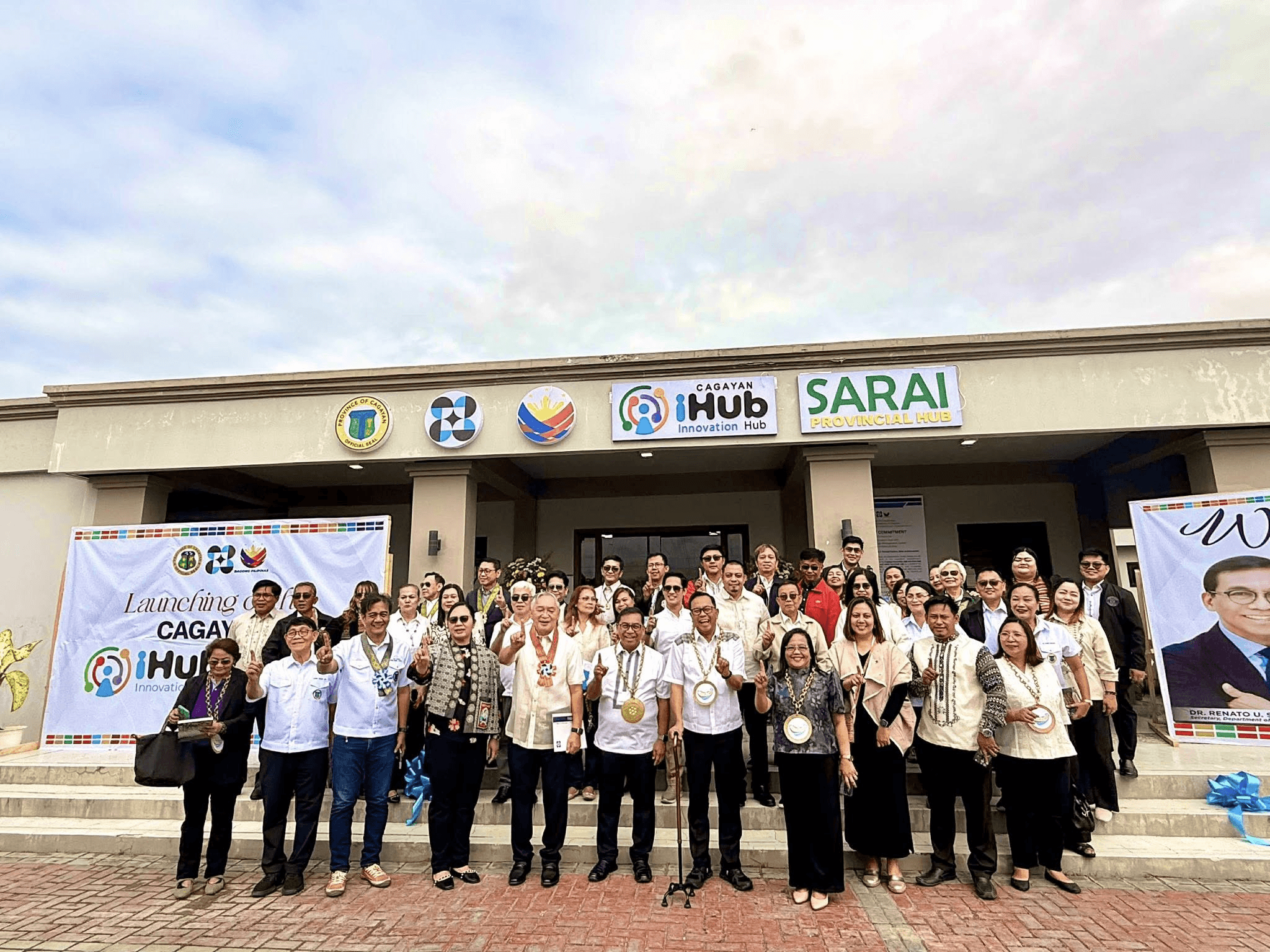
The Department of Science and Technology, in partnership with the Provincial Government of Cagayan, launched three interconnected initiatives on March 16, 2026: the Cagayan Innovation Hub, the SARAI Provincial Hub, and the SciTech Philippines Awards. The simultaneous launch is the most concentrated single-day investment in science and technology infrastructure Cagayan has seen — and it arrives at a moment when the province needs it.
Cagayan is one of the Philippines' most agriculturally productive provinces and one of its most typhoon-exposed. Over 60 percent of disaster-related economic losses in the country occur in agriculture, and Cagayan sits directly in the path of the majority of typhoons that strike Luzon each year. The three facilities launched on March 16 are designed to address that vulnerability directly — not through relief, but through data, forecasting, and enterprise support that helps farmers and MSMEs make better decisions before the storm arrives.
Three Facilities, One Integrated Vision
The Cagayan Innovation Hub is the enterprise-facing component. It provides a platform for MSME modernization, startup incubation, and collaborative innovation — connecting industry, academe, and government to deliver mentoring, technical support, and digital transformation pathways for entrepreneurs across the province. For rural industries that have historically operated without access to structured business development support, the hub creates a physical and institutional home for that work.
The Cagayan Decision Intelligence Center operates inside the hub complex and serves a different audience: provincial decision-makers. Equipped with real-time analytics and integrated data systems, the center is designed to give local government officials faster, evidence-based tools for resource allocation and policy planning. The goal is governance that runs on data rather than assumptions — a meaningful upgrade for a province managing complex agricultural, environmental, and economic conditions simultaneously.
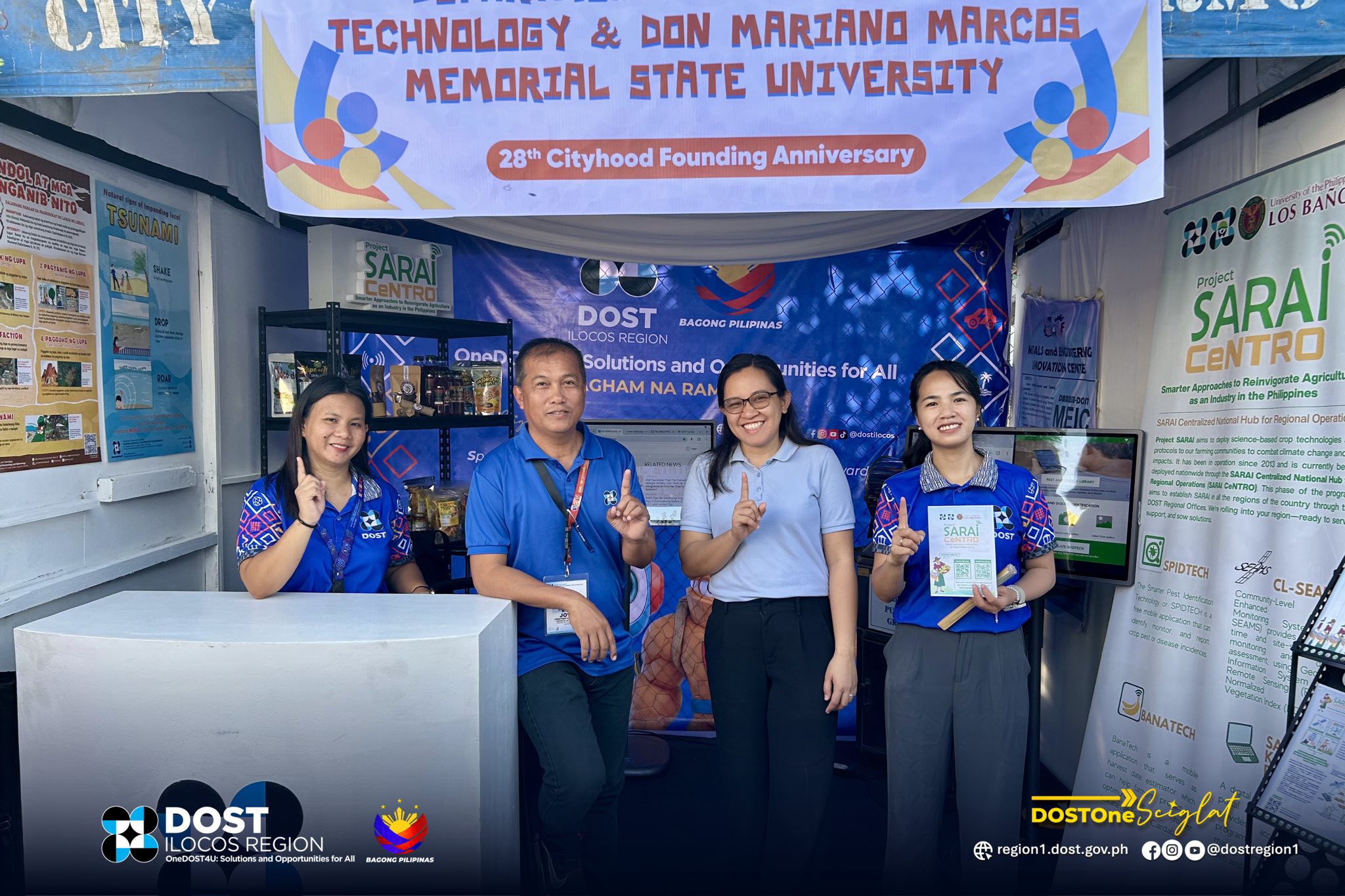
The SARAI Provincial Hub is where the initiative reaches farmers directly. Using satellite data, climate modeling, crop forecasting, and suitability analysis, the hub delivers localized advisories on crop selection, planting schedules, and risk management. Project SARAI — Smarter Approaches to Reinvigorate Agriculture as an Industry — has been operating nationally for several years, but a dedicated provincial hub brings that capability closer to the ground, translating national satellite infrastructure into farm-level guidance that Cagayan's agricultural communities can actually use.
The ONE Cagayan D.R.I.V.E.S. Framework
The three components operate under a unified provincial vision called ONE Cagayan D.R.I.V.E.S. — Development of Rural Industries through Value Chain Enhancement and Sustainability. The framework is explicitly designed as a replicable Smart Province model, meaning DOST intends Cagayan's experience to serve as a template for other provinces in the country looking to integrate science, technology, and innovation into local development planning.
That replication ambition is worth noting for the rest of Northern Luzon. If the Cagayan model works — if the Decision Intelligence Center actually changes how provincial officials allocate resources, if the SARAI hub measurably improves farmer decisions, if the Innovation Hub produces enterprises that survive beyond their first year — then Cagayan becomes a proof of concept that provinces like Isabela, Kalinga, and Mountain Province can point to when making the case for similar investments.
What This Means for Northern Luzon
Cagayan was already in conversation as a potential spaceport site following a March 5 MOU between PhilSA and South Korea's Perigee Aerospace. The March 16 launch adds a second layer: a province that is simultaneously building deep-tech aerospace ambitions and practical agricultural innovation infrastructure. That combination — space technology and farm-level data advisory in the same province — is unusual and worth tracking.
For founders and MSMEs in Cagayan, the Innovation Hub is the most immediate resource. For farmers, the SARAI Provincial Hub is the one to watch. And for provincial governments across Northern Luzon observing from a distance, the ONE Cagayan D.R.I.V.E.S. model is the clearest current example of what a fully integrated DOST-supported Smart Province initiative looks like in practice.
Entrepreneurs, MSMEs, and farmers in Cagayan can engage with the newly launched facilities through the Provincial Government of Cagayan and the DOST Cagayan Valley Regional Office. For institutions and LGUs in Northern Luzon interested in replicating components of the model, DOST's regional offices are the right starting point.
Source: DOST - Regional Operations