News
UC InTTO Brought in a Benilde Startup Expert to Run a One-on-One Innovation Clinic for Its Incubatees — and the Framework Matters
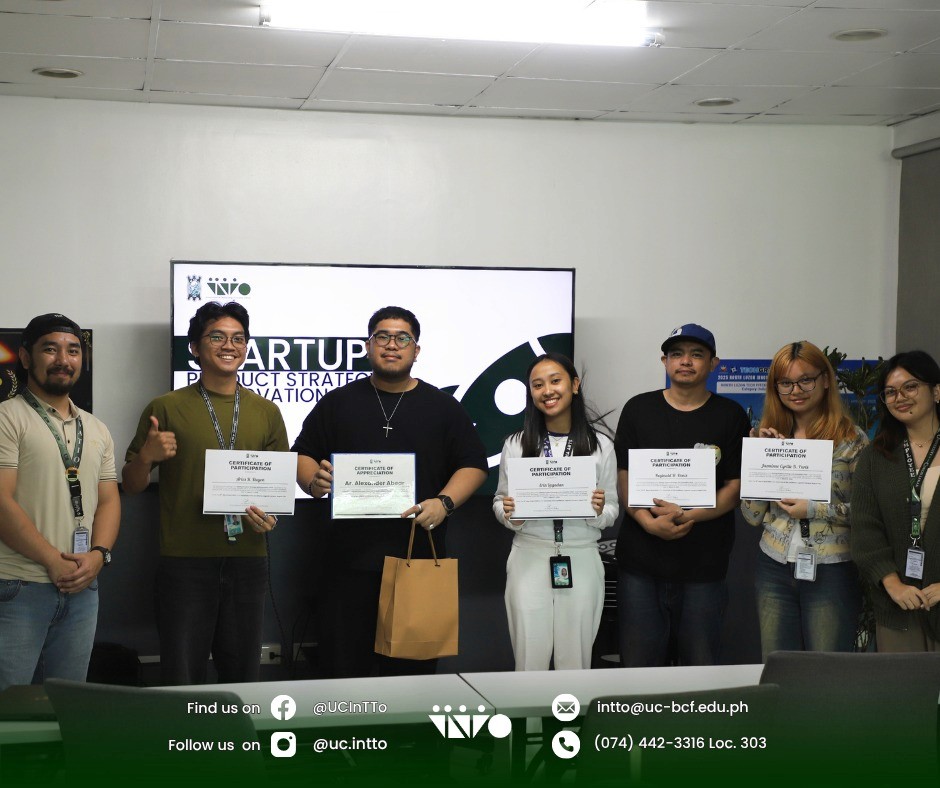
The April 8 Startup Product Strategy and Innovation Clinic at the University of the Cordilleras InTTO gave prototype-stage founders structured coaching on Bill Aulet's disciplined entrepreneurship methodology — and individual consultations tailored to each team's specific challenges.

Amianan Desk
Amianan Innovation Ventures
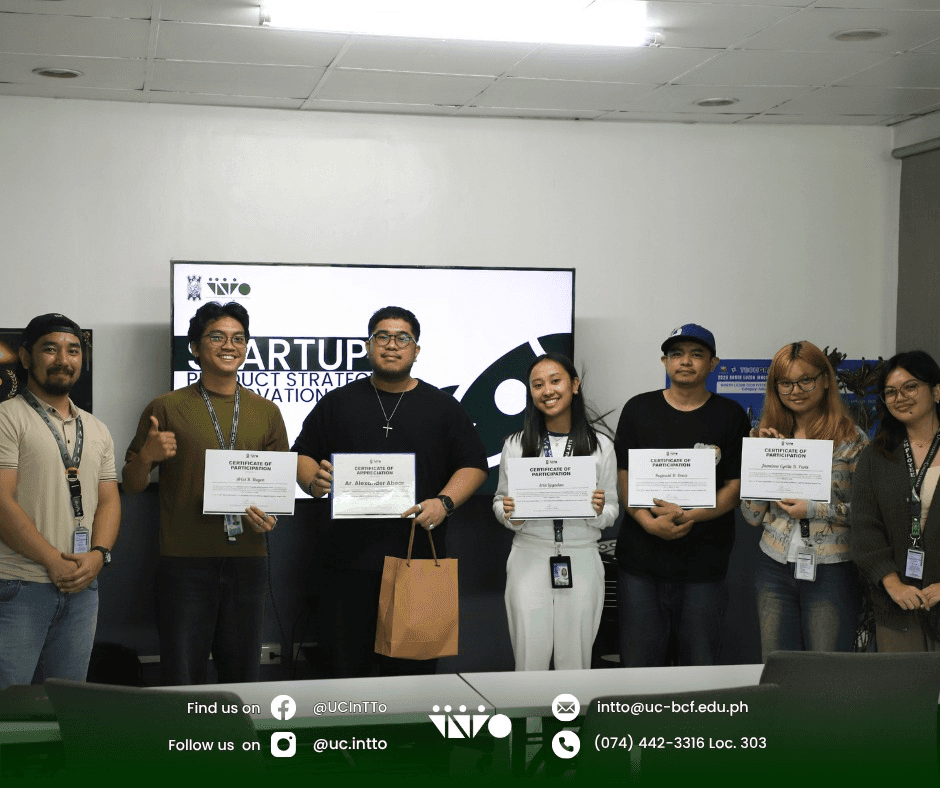
The University of the Cordilleras Innovation and Technology Transfer Office held its Startup Product Strategy and Innovation Clinic on April 8, 2026, bringing in Ar. Alexander Abear, Startup Incubation Manager of the Benilde Hub of Innovation for Inclusion, to work directly with incubatees who are currently developing and refining their prototypes. The session was anchored on Bill Aulet's disciplined entrepreneurship framework — a structured, 24-step methodology developed at MIT that guides founders through market segmentation, customer discovery, product specification, and go-to-market planning in a sequential, evidence-based process.
The choice of framework is deliberate and worth understanding. Aulet's approach is specifically designed for first-time founders who need structure — not inspiration — to move from idea to viable product. It is the methodology behind MIT's entrepreneurship programs and one of the most widely used in university-based incubators globally. Bringing it into a UC InTTO session with an expert practitioner from Benilde means incubatees are getting exposure to a world-class framework applied to their specific ventures, in a room, by someone who works with startups using it daily.
What the Clinic Actually Delivered
The session ran in two parts. The first was a focused discussion on Innovation-Driven and Disciplined Entrepreneurship — covering practical approaches to building structured, scalable, and sustainable ventures using Aulet's methodology. The topics covered are the ones that most early-stage founders skip or do only superficially: how to define a beachhead market, how to validate assumptions before building, how to structure a business model that survives contact with real customers.
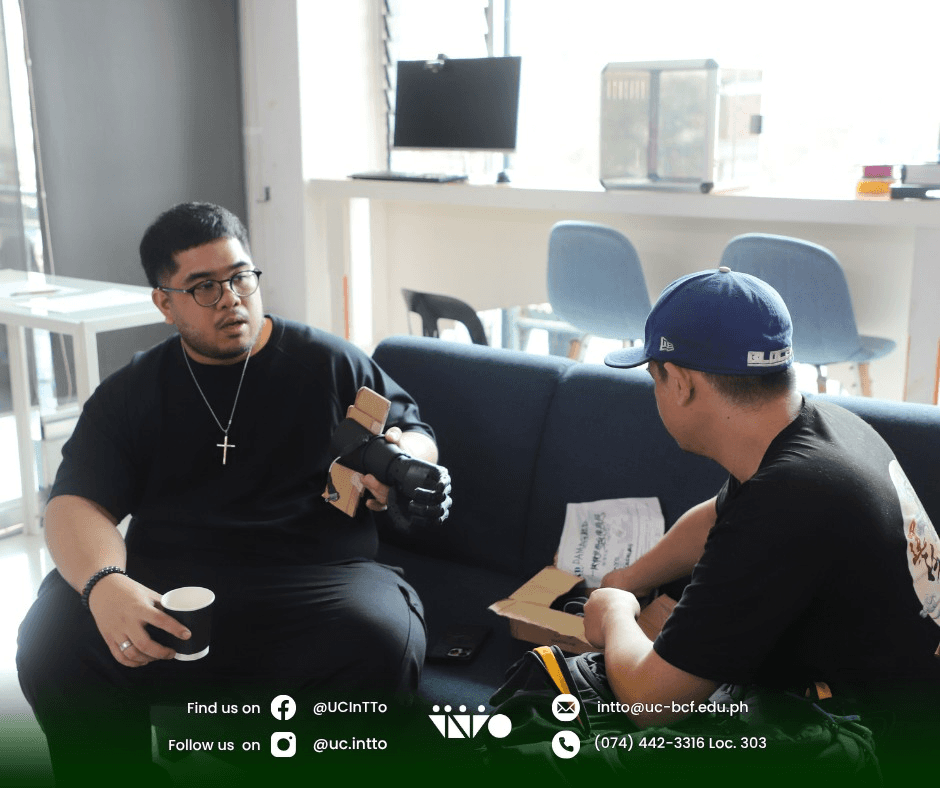
The second part was the cliniquing session — one-on-one consultations between Ar. Abear and individual incubatees. That format is the most valuable part of this kind of event. A group lecture can introduce a framework. A one-on-one session applies it to a specific product, a specific market, a specific team, and a specific set of challenges that no generic curriculum can anticipate. The incubatees in the room on April 8 left with tailored guidance on their own ventures, not just general knowledge about startups.
The participants are prototype-stage — which means they are past the idea phase and into the harder, more uncertain work of building something that actually functions and finding out whether anyone will pay for it. That stage is where disciplined frameworks like Aulet's are most useful, and where most early-stage founders in university incubators most need external expert input.
Why the Benilde Partnership Signals Something Important
Ar. Abear's involvement from the Benilde Hub of Innovation for Inclusion is worth noting beyond the credentials. Benilde is one of the Philippines' most active university-based innovation hubs, with a track record of supporting social and inclusive innovation ventures. UC InTTO bringing in a practitioner from that ecosystem signals an intentional effort to connect the Baguio incubation pipeline to a broader national network of innovation practitioners and programs.
That kind of cross-institutional connection — a Baguio university incubator drawing expertise from a Manila-based hub with national reach — is exactly the type of relationship that strengthens the Cordillera's startup ecosystem in ways that local programs alone cannot achieve. The knowledge transfer runs in both directions: Benilde learns what founders in the Cordillera are building, and UC InTTO incubatees gain access to frameworks and networks that extend well beyond Baguio.
What This Means for Northern Luzon
UC InTTO is now on its ninth cohort — a track record that reflects institutional continuity and genuine commitment to the incubation process. The April 8 Innovation Clinic reflects a maturing program that is moving beyond basic orientation and into the kind of deep, framework-driven coaching that produces founders who can articulate their business model, defend their market assumptions, and attract partners and funding. For the Cordillera startup ecosystem, each cohort that goes through a session like this produces entrepreneurs who are more investor-ready, more market-aware, and better equipped to build something that lasts.
For founders in Northern Luzon who are currently in a prototype or early development stage outside of a formal incubator, the Aulet disciplined entrepreneurship framework is publicly available — his book "Disciplined Entrepreneurship" is widely accessible and directly applicable to the problems of early-stage venture building. The UC InTTO program demonstrates what working through that framework with expert guidance looks like. For those who want that guidance, the InTTO is the right starting point.