News
DOST-Kalinga and KSU Trained Farmers and Processors to Turn Calamansi and Peanuts Into Market-Ready Cookies and Bars
A hands-on product development training at the Kalinga State University Food Processing and Innovation Research Center on March 30 gave MSMEs, farmers, and processors practical skills to move local agricultural produce up the value chain — using ingredients sourced from their own backyards.

Amianan Desk
Amianan Innovation Ventures
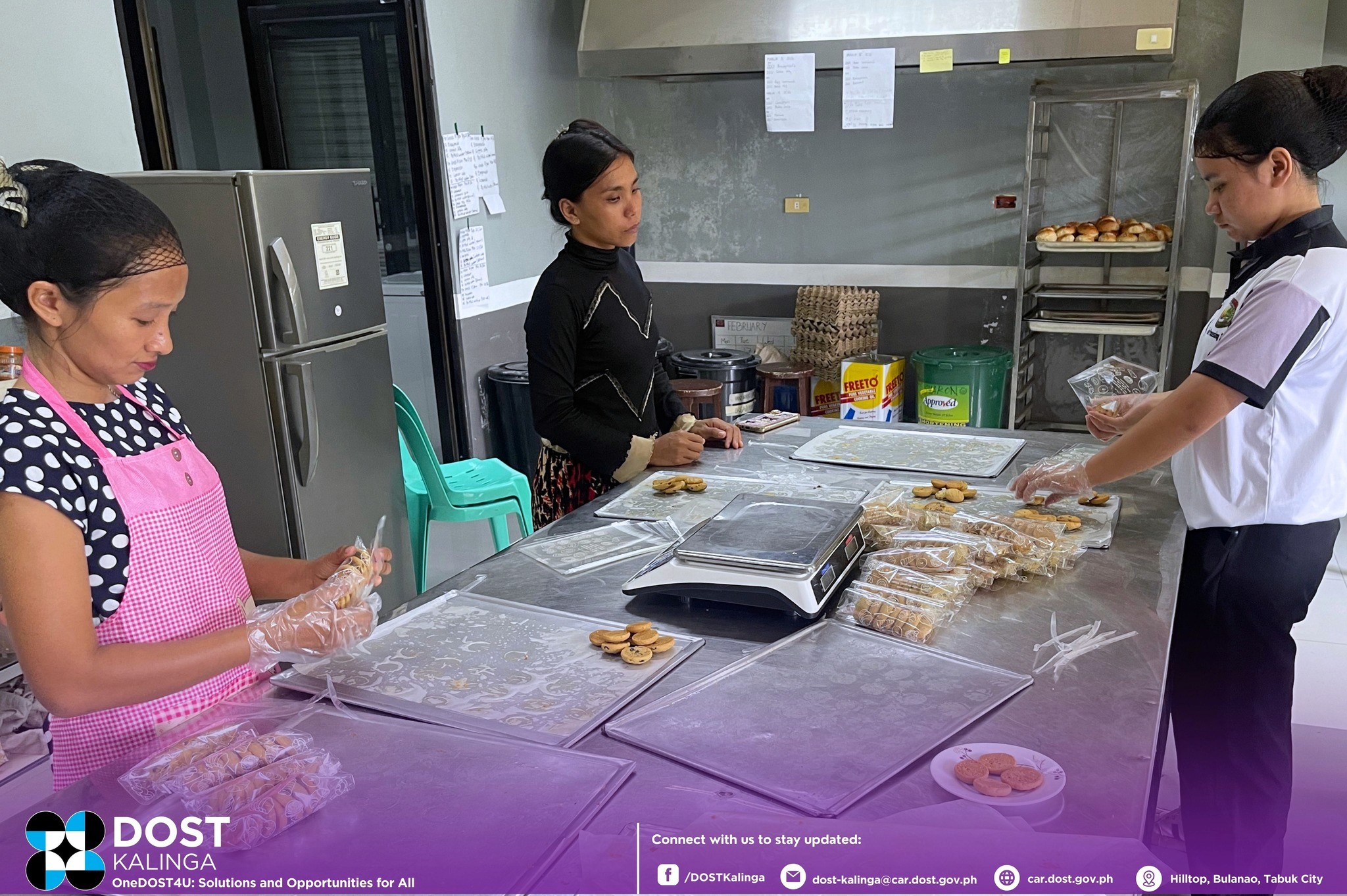
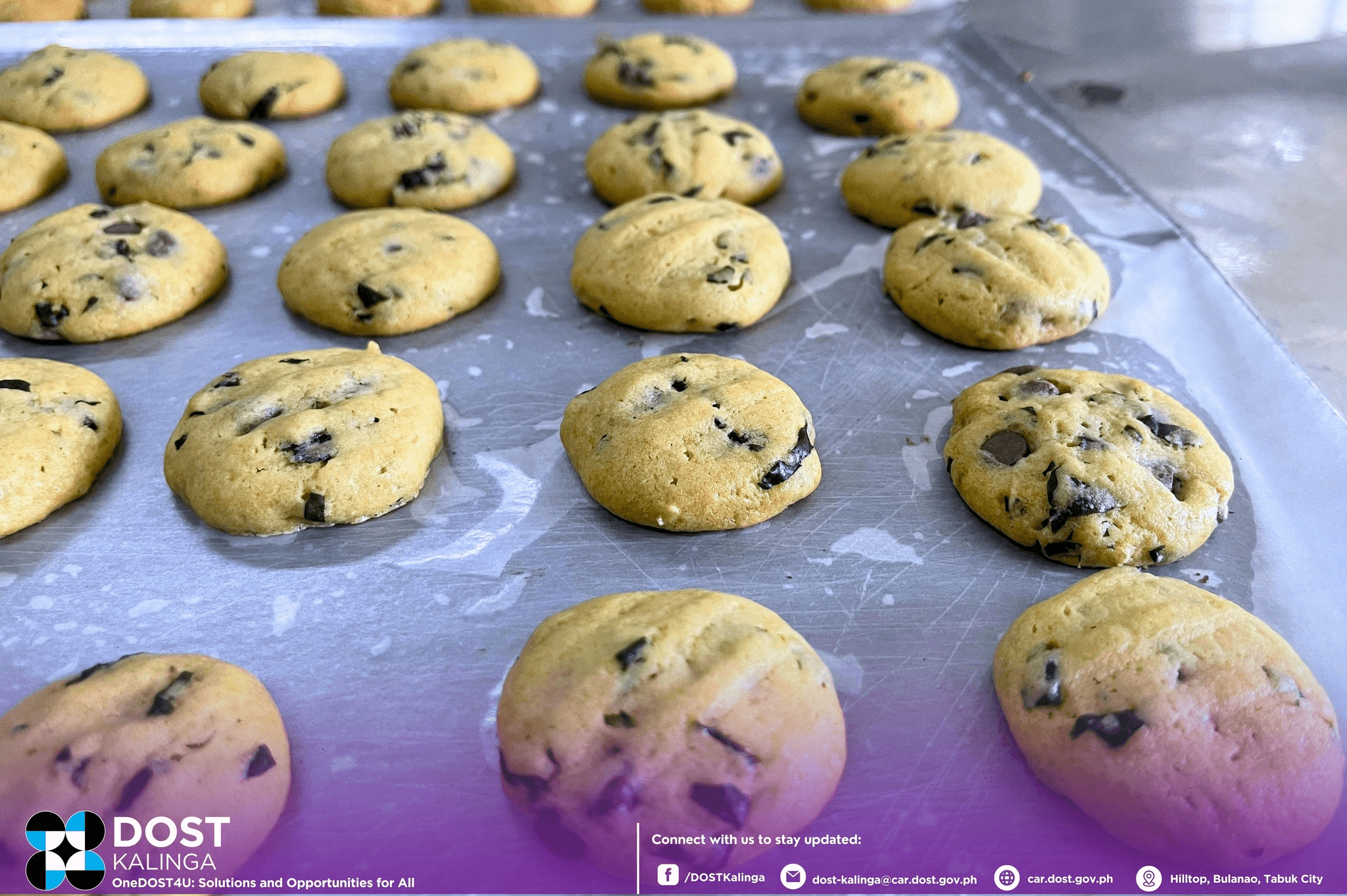
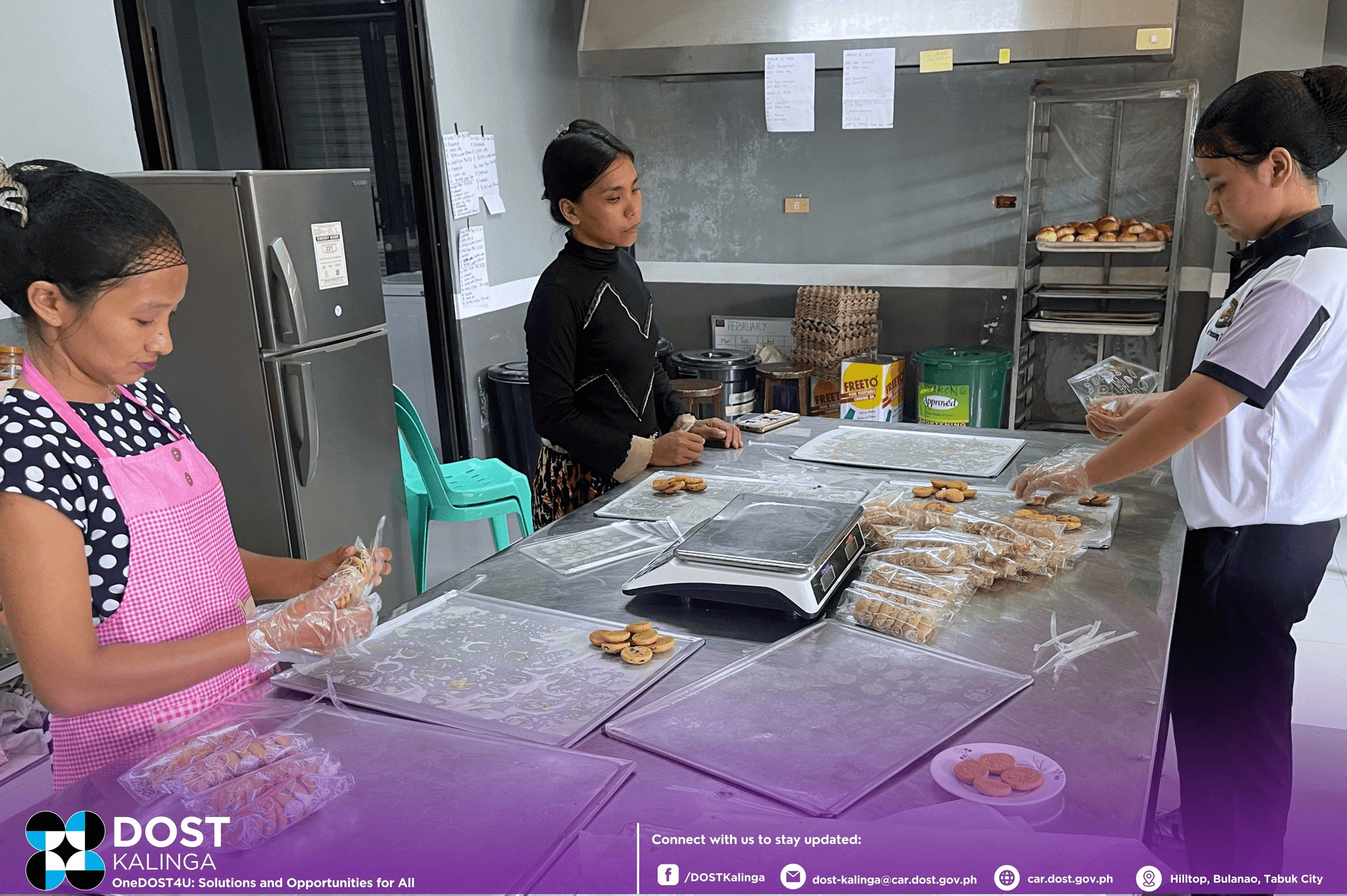
The Department of Science and Technology Kalinga, in partnership with Kalinga State University, conducted a product development training on calamansi-peanut cookies and bars at the KSU Food Processing and Innovation Research Center in Tabuk City on March 30, 2026. The training was open to MSMEs, farmers, and processors and was led by resource speaker Ms. Jolina B. Bagsao, with technical support from Ms. Lucia B. Bulahao. Participants worked hands-on with locally available fruits, vegetables, and root crops — many sourced directly from their own farms and backyards.
The product combination is not arbitrary. Calamansi and peanuts are both widely grown in Kalinga, and both are crops that face the familiar problem of seasonal oversupply and limited market options when sold raw. A shelf-stable, packaged food product made from both changes that equation significantly.
What the Training Covered
Participants went through the full cycle of product development — not just the recipe. The sessions covered food processing techniques for cookie and bar production, packaging and labeling practices that improve product quality and marketability, and a comparison of manual versus mechanized preparation methods that helped participants identify where efficiency improvements are possible in their own operations.
That last component — the discussion of manual versus mechanized methods — is particularly useful for small-scale processors who are often unsure whether investing in equipment is justified at their current production volume. Understanding the practical differences between the two approaches, and the thresholds at which mechanization becomes economically viable, gives participants a framework for making those decisions with better information.
The training also served as a knowledge exchange — participants brought their own experience in food processing and shared observations from their operations alongside what they learned from the resource speakers. That kind of peer learning in a structured setting produces insights that a purely instructional format does not.
Why the KSU FPIRC Partnership Matters
The Kalinga State University Food Processing and Innovation Research Center is the operational backbone of this kind of training. Without a properly equipped food processing facility — one with the equipment, workspace, and technical oversight to run a hands-on session safely and effectively — a training like this cannot happen at this level of quality.
The DOST-Kalinga and KSU partnership demonstrates what a functioning university-agency collaboration looks like in practice: DOST brings the technical curriculum and resource persons, KSU provides the facility and institutional infrastructure, and the community of MSMEs and farmers provides the real-world context that keeps the training grounded. Each party contributes something the others cannot supply alone.
For the Cordillera's agri-food processing ecosystem, that partnership model is replicable. TBIs and food innovation centers at universities across the region have the potential to run similar product development trainings — if they have the agency partnerships and the budget to do so consistently.
What This Means for Northern Luzon
Kalinga's agricultural sector produces crops that rarely reach markets in a form that captures their full value. Calamansi goes unsold at peak harvest. Peanuts are sold raw at prices that leave little margin for the farmer. The gap between what Kalinga grows and what it earns from that produce is, in large part, a processing and product development gap — one that trainings like this are directly designed to close.
A farmer who leaves the March 30 training knowing how to produce, package, and label a calamansi-peanut cookie or bar has a new product they can bring to the Kalinga TBI, to the DOST Packaging Innovation Center, or directly to buyers at the next market fair. That product will not transform their livelihood overnight. But it is a concrete step up the value chain — and in a province where most agricultural income comes from selling raw produce, those steps matter.
MSMEs, farmers, and processors in Kalinga interested in upcoming product development trainings can connect with DOST-Kalinga or the KSU Food Processing and Innovation Research Center directly. For communities across the Cordillera with locally abundant crops and limited processing knowledge, this training format is the most practical entry point into food product development currently available in the region.
Source: DOST-Kalinga