News
Kalinga
Kalinga TBI Beneficiaries Win Regional Young Farmers Challenge — Validated by a Market, Not Just a Panel
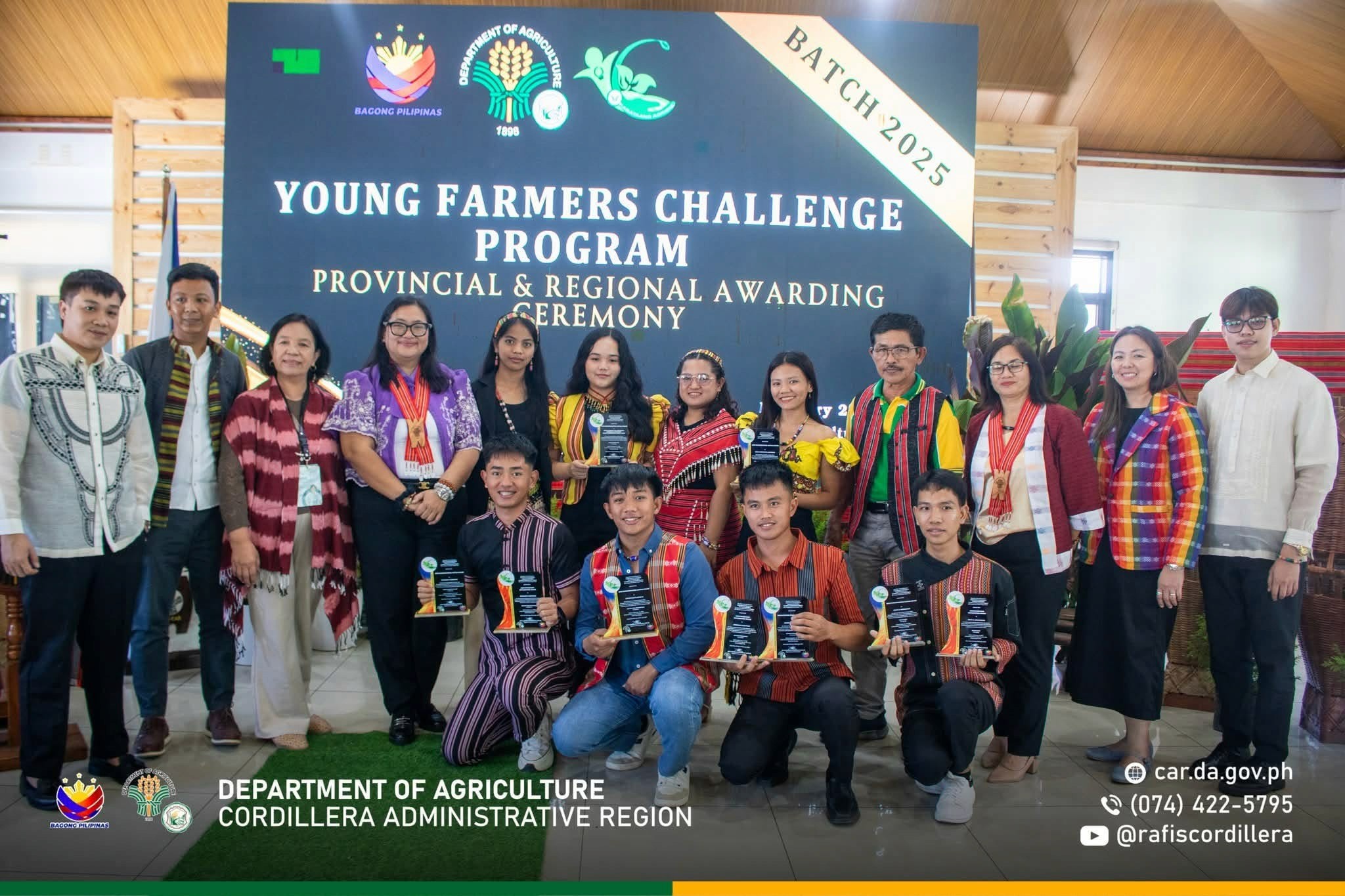
Four ventures from Kalinga State University's Technology Business Incubator took home regional awards at the Young Farmers Challenge, the first real proof that a 2024 National Innovation Council grant is producing founders, not just graduates.

Amianan Desk
Amianan Innovation Ventures
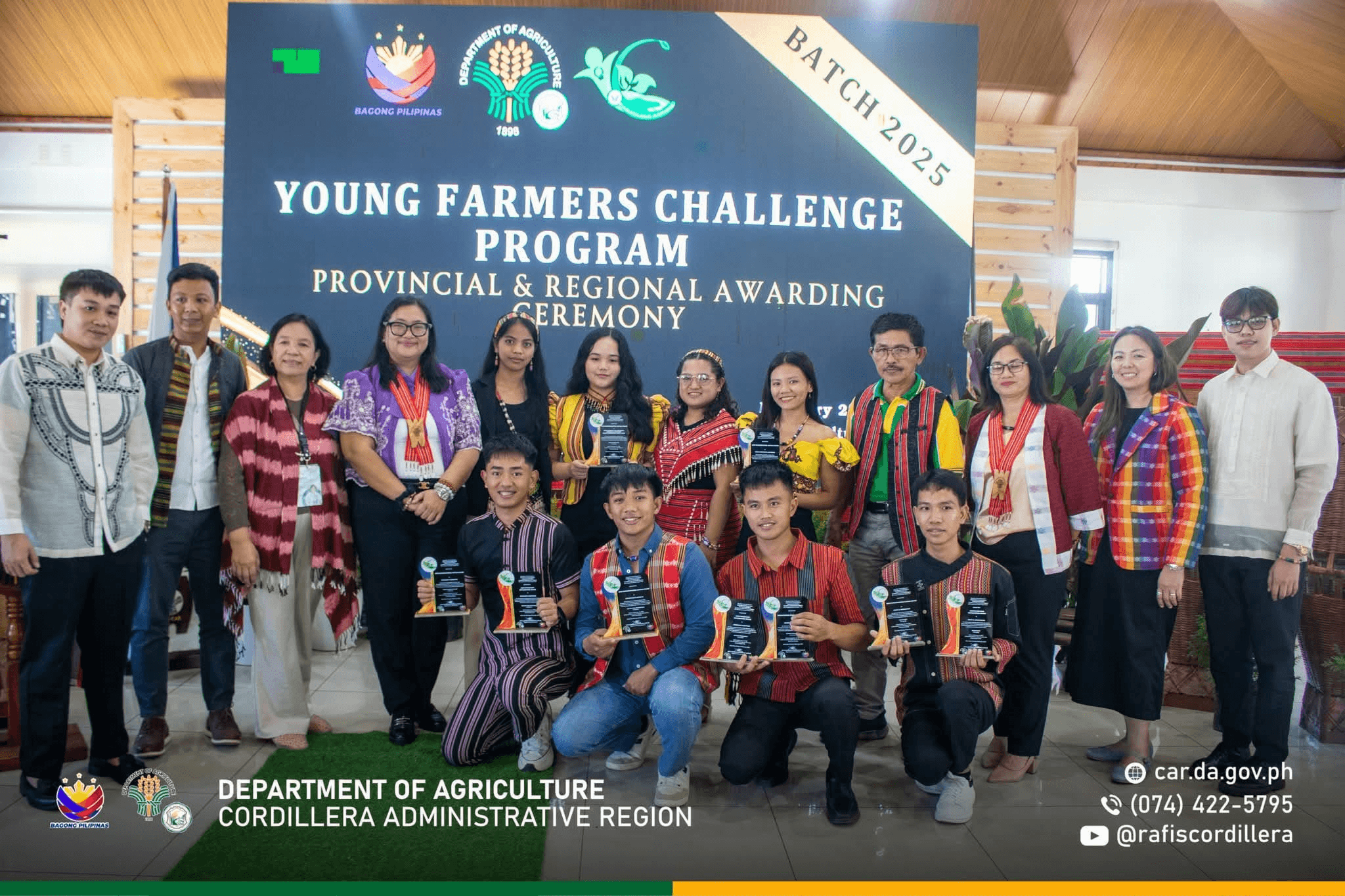
Four ventures supported by the Kalinga Technology Business Incubator swept the regional Young Farmers Challenge (YFC) Start-Up Awards, with winners spanning processed snacks, beverages, hog farming, and poultry systems. The wins are the most visible outcome yet of a 2024 Innovation Grant awarded by the National Innovation Council to Kalinga State University.
The result matters beyond the trophies. This is the first public signal that KSU's TBI — stood up under KSU President Dr. Joy Grace P. Doctor through the DepDev Project — is producing ventures that can compete outside their home province.
Who Won and What They Built
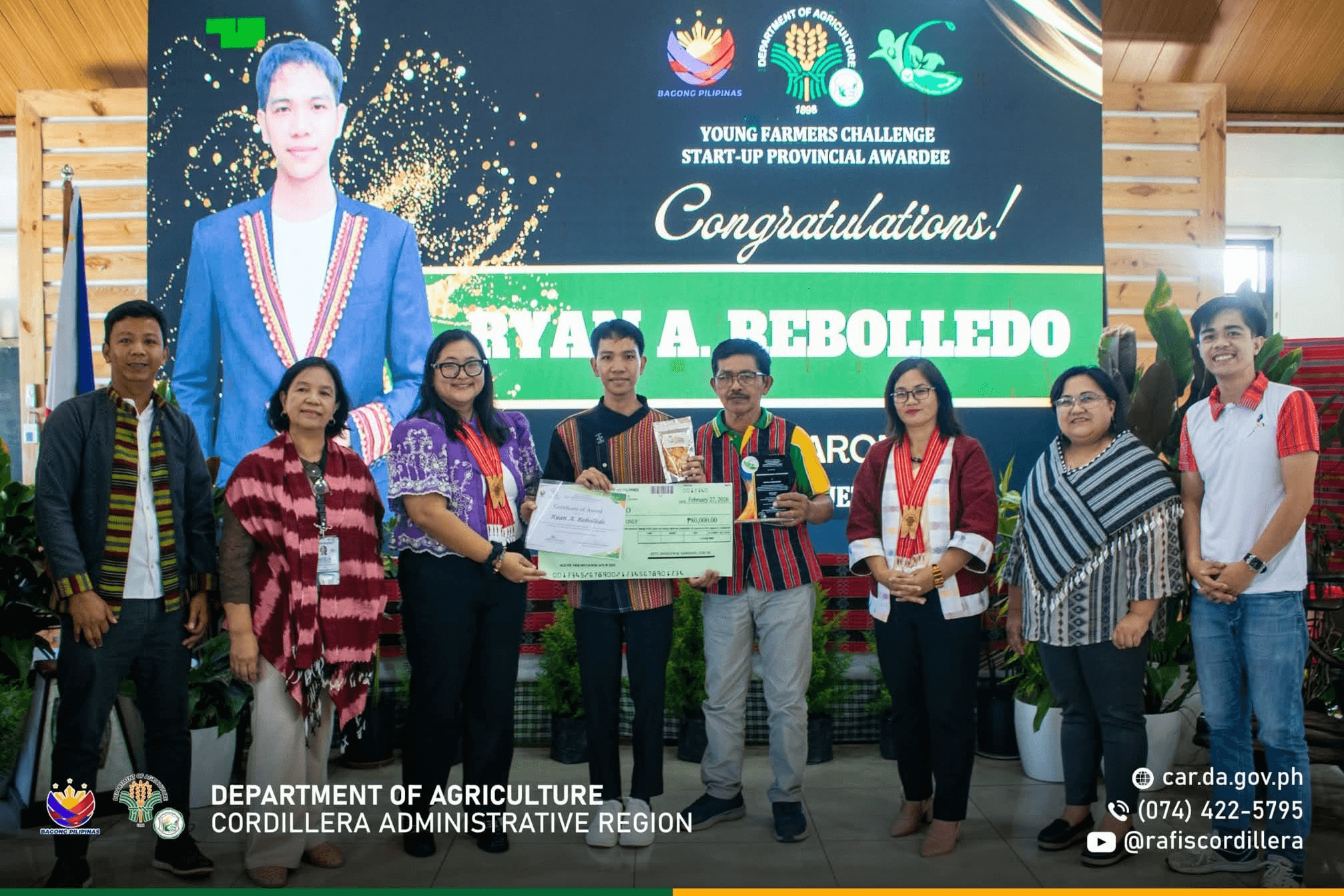
Ryan Rebolledo took the regional processing category with Beancharon, a white bean snack that repositions a local Kalinga staple as a market-ready product. Charina C. Bulawit, Demie Margiline S. Dela Cruz, and Anna Rowena H. Lastimosa won with Lymber G's Fizzy Ginger Soda — a carbonated health drink built on locally sourced ginger. Joven Ray B. Mukay's JRM Hog Farm & Livestock was recognized for sustainable livestock management. Rhea Mishene Generao's Mishene's Integrated Poultry Farm won for excellence in integrated poultry systems.
What connects these four ventures isn't a sector — it's a design logic. Each one took something Kalinga already produces and moved it up the value chain. That's not accidental. It's what a functional TBI is supposed to teach: your advantage is local knowledge and local inputs; your opportunity is in processing, branding, and market access. With this cohort, the Kalinga TBI is teaching the right thing.
What the Kalinga TBI Actually Is
The Kalinga TBI operates out of Kalinga State University and was formally activated through the NIC Innovation Grant in 2024. It runs under the DepDev Project — a capacity-building initiative that pairs founders with mentorship and resources designed to move them from subsistence-level agriculture toward scalable agribusiness. The YFC regional wins are the program's most concrete outcome on record.
Worth noting: regional competition wins are a meaningful milestone, but the longer road for these founders is building beyond the competition circuit — landing distribution, finding paying customers, and growing operations. That's not a critique of what's been built; it's the natural next challenge for any early-stage venture, and one the Kalinga TBI is well-positioned to help its cohort navigate.
What This Means for the Region
Kalinga doesn't always make it into conversations about Northern Luzon's emerging startup scene — but this cohort makes a strong case for why it should. The province has agricultural inputs that buyers in Baguio and beyond actively want, and it now has a TBI producing founders who know how to package and pitch those inputs competitively. For the broader Cordillera ecosystem, the Kalinga TBI result is an encouraging reminder that the region's innovation story extends well beyond Baguio. TARAKI-CAR, DOST-CAR, and anyone paying attention to agritech in Northern Luzon have good reason to follow what this cohort does next.
Founders in the Kalinga TBI pipeline and those interested in the DepDev Project can follow updates through Kalinga State University. If you're an agritech buyer, distributor, or investor looking at Northern Luzon — Beancharon, Lymber G, JRM Hog Farm, and Mishene's Integrated Poultry Farm just made themselves easy to find.
Source: Kalinga State University