
Ilocos Norte Invests in Entrepreneurs and Youth to Build a More Self-Reliant Local Economy
Ilocos Norte is strengthening its local economy by investing in entrepreneurs, youth skills, employment, and social protection. With enterprise support, incubation programs, digital training, financial assistance, and new innovation infrastructure, the province is building pathways for local businesses and young people to become more competitive and economically self-reliant.
 Featured Partner
Inv8 Studio
Innovation Partner for Startups & Growing Businesses
Building Self-Reliance Through Local Enterprise
The Provincial Government of Ilocos Norte is placing entrepreneurship, employment, and social protection at the center of its efforts to build a more self-reliant economy.
According to Governor Cecilia Araneta-Marcos, the province’s approach is focused on creating opportunities that allow Ilocanos to build sustainable livelihoods rather than relying solely on short-term assistance.
“Invest in our people and our people invest right back into Ilocos Norte,” Araneta-Marcos said.
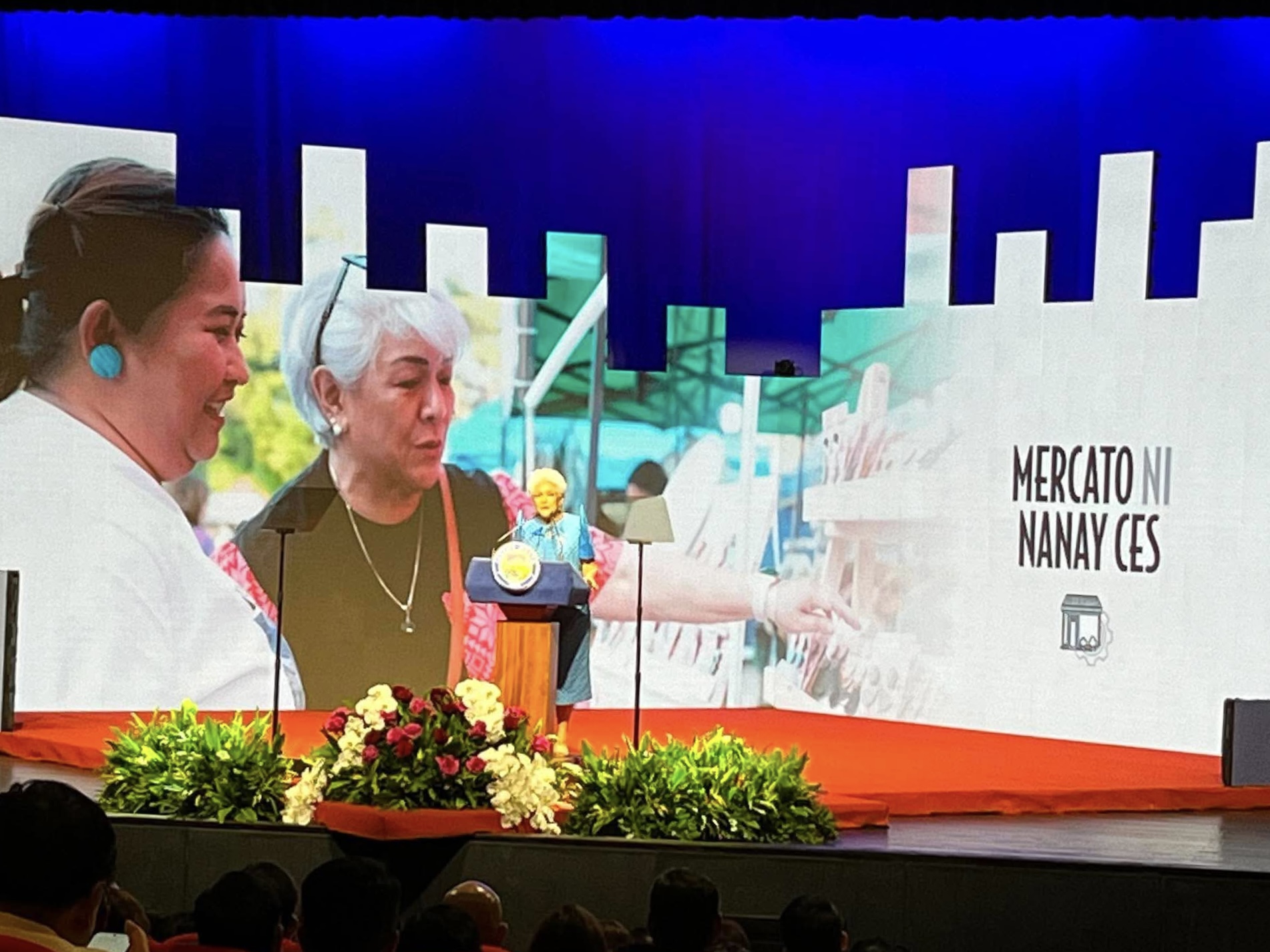
The province reported that initiatives supporting local enterprises, including Mercato Ni Nanay Ces, producer-to-consumer programs, international trade missions, and cruise tourism promotions, generated more than ₱27 million in total sales.
These programs helped hundreds of local businesses access markets beyond the province.
For entrepreneurs, market access can be just as important as financial assistance. A business may have a good product, but without customers, distribution channels, branding, and opportunities to sell beyond its immediate community, its ability to grow remains limited.
Ilocos Norte’s initiatives reflect an effort to address that gap.
Supporting Entrepreneurs Beyond the Startup Stage
The province has also invested in strengthening the capabilities of local entrepreneurs.
Digital marketing training has been provided to entrepreneurs and artisans to help them compete in an increasingly digital marketplace.
Through the province’s incubation center, around 3,500 entrepreneurs, students, and stakeholders have benefited from business development activities. Nearly 750 entrepreneurs and aspiring business owners also received livelihood and business continuity training.
The provincial government further provided more than ₱5.3 million in financial assistance to nearly 600 MSMEs and startup entrepreneurs.
Taken together, these efforts point toward a broader approach to entrepreneurship support.
Funding can help a business survive. Training can improve its capabilities. Incubation can provide guidance and connections. But sustainable growth ultimately depends on whether entrepreneurs can develop products, reach customers, manage operations, and build businesses that can continue operating without long-term dependence on assistance.
Creating New Opportunities Through Innovation
One of the notable initiatives highlighted by the province is the establishment of the Regional Yarn Production and Innovation Center in Vintar, in partnership with the Department of Science and Technology Region 1.
The center is intended to create livelihood opportunities while supporting the local textile industry.
This illustrates how innovation infrastructure can extend beyond technology startups.
Innovation can also happen within agriculture, manufacturing, crafts, textiles, and traditional industries by introducing better production methods, new products, improved processes, or new ways of reaching markets.
For Ilocos Norte, strengthening these local industries could create opportunities for entrepreneurs to move further up the value chain instead of remaining primarily producers of raw materials.
From Local Products to Larger Markets
The province is also taking steps to connect local enterprises with wider markets.
International trade missions, producer-to-consumer initiatives, tourism promotions, and enterprise development programs provide different pathways for local businesses to find customers.
The goal, as expressed by the governor, is to help entrepreneurs move from local market participation toward greater competitiveness.
“Our enterprises today are our exporters tomorrow. Our support will move an entrepreneur from market stalls to shelves overseas,” Araneta-Marcos said.
This highlights an important principle in regional economic development: local entrepreneurship becomes more powerful when businesses are given pathways to scale.
A microenterprise that reaches a larger market can create more demand for local suppliers, generate employment, and contribute to a broader economic network.
Investing in Youth as Future Entrepreneurs and Workers
Youth development is another component of the province’s strategy.
The provincial government has invested in workforce training and youth employability programs designed to connect job seekers with opportunities within Ilocos Norte.
The province reported that its employment rate increased from 95 percent in 2023 to 99.8 percent in 2025, based on Philippine Statistics Authority data cited by the governor.
Beyond employment, however, young people can also become an important source of entrepreneurial and innovation capacity.
Students and young professionals can contribute new ideas, digital skills, creative capabilities, and technology-driven approaches to local industries.
This is where entrepreneurship programs, incubation centers, skills development, and innovation initiatives can play a complementary role.
Not every young person needs to become a founder.
But giving young people the ability to identify problems, develop solutions, understand markets, and create economic opportunities expands the province’s overall capacity for innovation.
Building Resilience Into the Local Economy
The province’s approach also recognizes that entrepreneurship cannot be separated from resilience.
Following fires at the Pasuquin and Batac public markets, the provincial government provided more than ₱4 million in emergency livelihood assistance to affected vendors and workers.
It also distributed 100 fire extinguishers in both public markets.
These interventions demonstrate another dimension of economic development.
Businesses need not only opportunities to grow. They also need the capacity to withstand disruptions.
For MSMEs, a disaster can immediately affect inventory, income, equipment, customers, and operations. Building continuity mechanisms and preparedness into enterprise development therefore becomes an important part of creating a resilient local economy.
The Bigger Opportunity for Ilocos Norte
The initiatives highlighted by the province suggest a shift from viewing entrepreneurship support as a single program toward building an interconnected ecosystem.
Market access helps businesses sell.
Digital training helps them compete.
Incubation provides guidance and connections.
Financial assistance provides capital during critical stages.
Innovation infrastructure can help develop new products and industries.
Youth programs create the next generation of workers and entrepreneurs.
Social protection provides a safety net for vulnerable communities.
These components become more powerful when they reinforce one another.
The opportunity is to create a pathway where an Ilocano can move from learning a skill, to starting a small business, to accessing incubation and financing, to entering larger markets, and eventually creating jobs for others.
What This Means for Northern Luzon
For Northern Luzon, Ilocos Norte’s approach offers an example of how local governments can combine entrepreneurship, innovation, workforce development, and social protection as part of regional economic development.
The challenge is not simply to create more businesses.
It is to help local businesses become stronger, more productive, more resilient, and capable of reaching markets beyond their immediate communities.
This also creates opportunities for universities, technology business incubators, government agencies, private companies, and ecosystem organizations to work together.
The next step is ensuring that the different programs and institutions create clear pathways for entrepreneurs rather than operating as isolated initiatives.
From Assistance to Opportunity
The province’s strategy ultimately centers on a simple idea: economic development becomes more sustainable when people have the capacity to create their own opportunities.
For some, that opportunity may come through employment.
For others, it may be entrepreneurship.
For communities, it may come through new industries, stronger local enterprises, and better access to markets.
The role of government is not necessarily to build every business itself, but to create the conditions that allow people and enterprises to grow.
Ilocos Norte’s investments in entrepreneurship, youth, innovation infrastructure, employment, and resilience are steps in that direction.
For Northern Luzon, the bigger lesson is clear: building a self-reliant economy requires more than financial support. It requires an ecosystem where people can develop skills, start businesses, access markets, innovate, recover from disruptions, and eventually create opportunities for others.
Original Source
Market Context
Entrepreneurship development is increasingly becoming an important component of local economic development across Northern Luzon. For provinces like Ilocos Norte, strengthening MSMEs can help diversify local economies, create employment, and connect communities to larger markets.
The more significant opportunity is building continuity between enterprise assistance, skills development, incubation, innovation, financing, and market access. When these elements are connected, local entrepreneurship programs can move beyond short-term assistance toward developing businesses that are capable of sustaining growth and creating opportunities within their communities.
Are you a founder, innovator, or community builder in Northern Luzon?
We're always looking for compelling stories from the region's ecosystem. Whether you're launching a startup, running a program, or doing something interesting — we'd love to feature you.