News
Philippine Science High School Brought Student Research to the National Stage at the Higher Education Summit 2026 in Clark
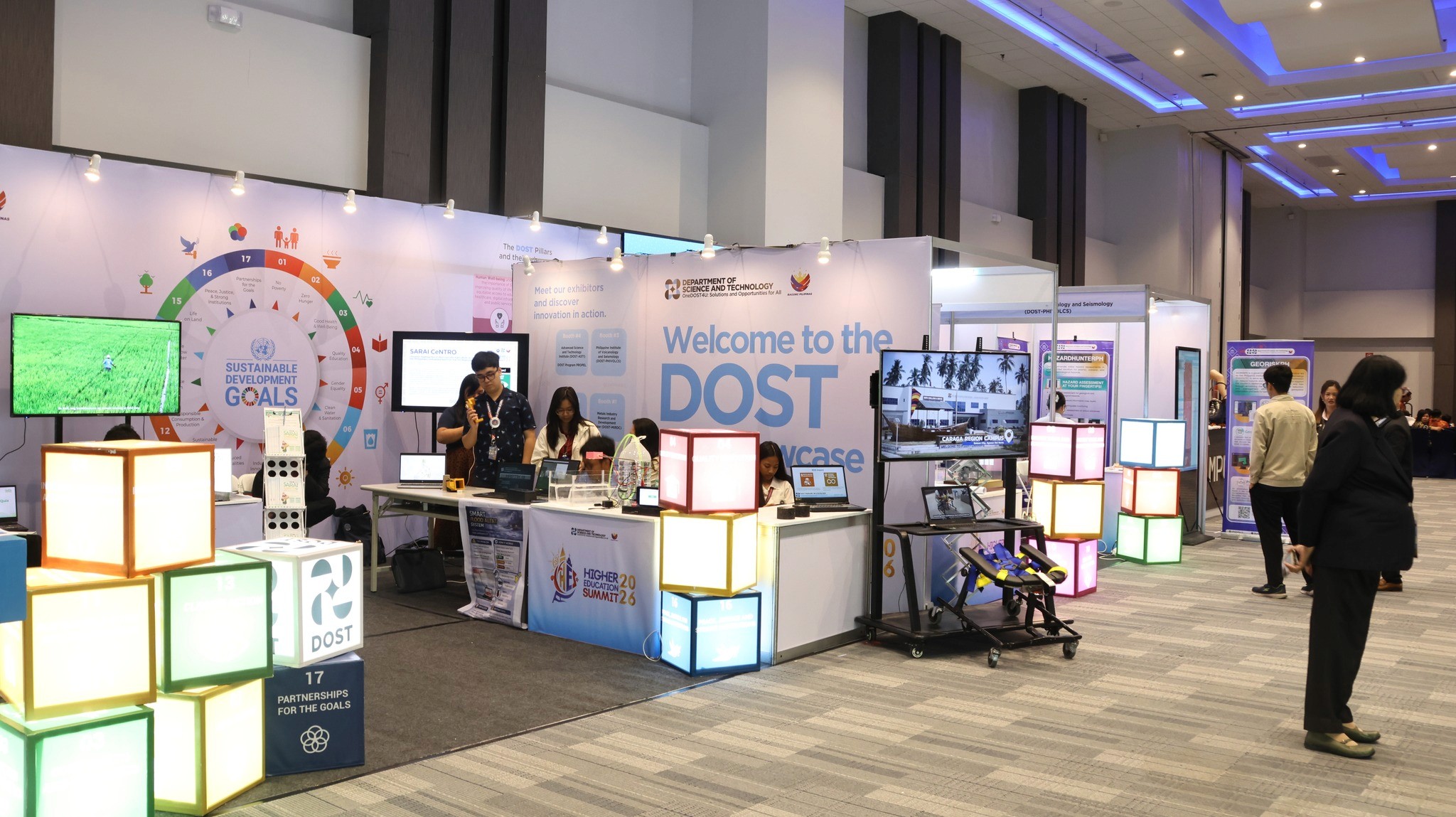
PSHS campuses from Ilocos Sur, Baguio City, Davao, and Cebu showcased student research projects at HES 2026 on March 10 to 12 — giving young scientists from the country's premier science high school direct access to industry leaders and a platform to connect their work to real-world applications.

Amianan Desk
Amianan Innovation Ventures
The DOST-Philippine Science High School System, through the Office of the Executive Director, participated in the Higher Education Summit 2026 at the SMX Convention Center Clark in Angeles City, Pampanga from March 10 to 12. Four regional campuses joined the national showcase: PSHS-Ilocos Region Campus in Ilocos Sur, PSHS-Cordillera Administrative Region Campus in Baguio City, PSHS-Davao Region Campus, and PSHS-Central Visayas Campus in Cebu. Selected student research projects were exhibited under the summit's theme, "Achieving Sustainable Futures."
For Northern Luzon, the presence of two Pisay campuses — Ilocos Sur and Baguio City — at a national higher education convening puts the region's young scientists in a room they deserve to be in more often.
What Happened at HES 2026
The Higher Education Summit 2026 brought together higher education institutions, government agencies, and industry partners to advance innovation and strengthen collaboration aligned with the United Nations Sustainable Development Goals. The event was not a science fair in the conventional sense. It was a convening where research meets industry — where the people who fund, apply, and scale innovation share a floor with the students still developing it.
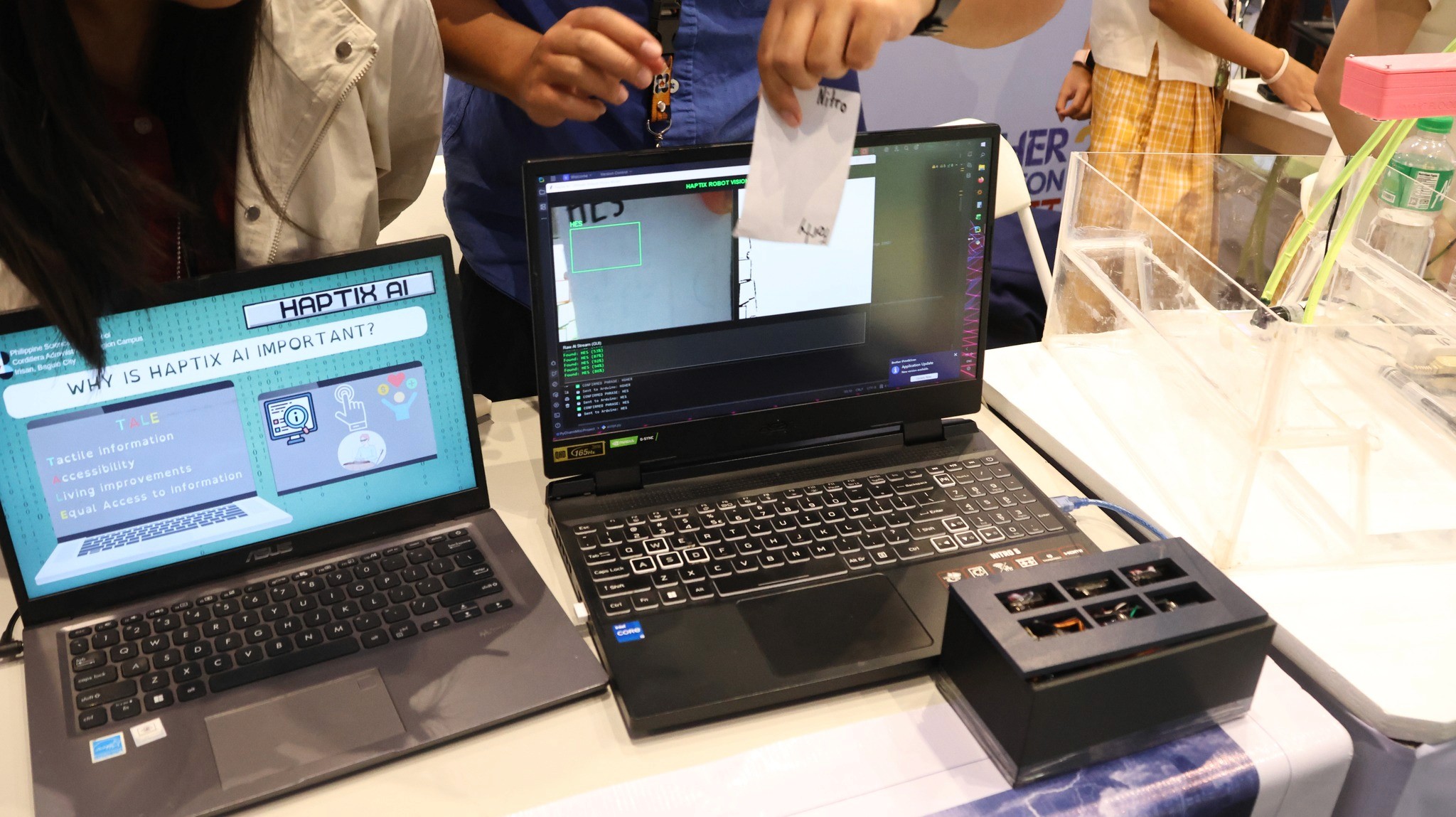
PSHS students did not only display their projects. They engaged directly with industry leaders, exchanged ideas, and explored how their research could translate into applications beyond the laboratory. That kind of direct industry interaction at the high school level is rare and consequential. A Pisay scholar who leaves HES 2026 having spoken with an industry partner about their research has a fundamentally different relationship to their work than one who presents only to peers and faculty.
Why This Matters for Northern Luzon
The PSHS-CAR Campus in Baguio City and the PSHS-Ilocos Region Campus in Ilocos Sur together represent a significant concentration of research-oriented young scientists in Northern Luzon. These are students who are already conducting original research, working with scientific methodologies, and developing solutions to problems that matter — often problems rooted in the highland agriculture, biodiversity, and community contexts of their home regions.
Getting that research in front of a national audience at HES 2026 does two things that local science fairs cannot. It signals to the broader innovation ecosystem that Northern Luzon's science pipeline begins well before university. And it gives PSHS students visibility with institutions — universities, research centers, companies, and government agencies — that could eventually become the partners, funders, or employers that take their work further.
The Philippine Science High School system has long been one of the country's most reliable pipelines for producing research-oriented graduates who go on to careers in science, technology, and innovation. The campuses in Northern Luzon are a direct asset to the region's long-term innovation capacity — and events like HES 2026 are where that asset becomes visible to the people who can invest in it.
For universities, research institutions, and innovation programs in Northern Luzon looking to build early relationships with exceptional young scientists, the PSHS-CAR and PSHS-Ilocos Region campuses are the right starting point.